Mali
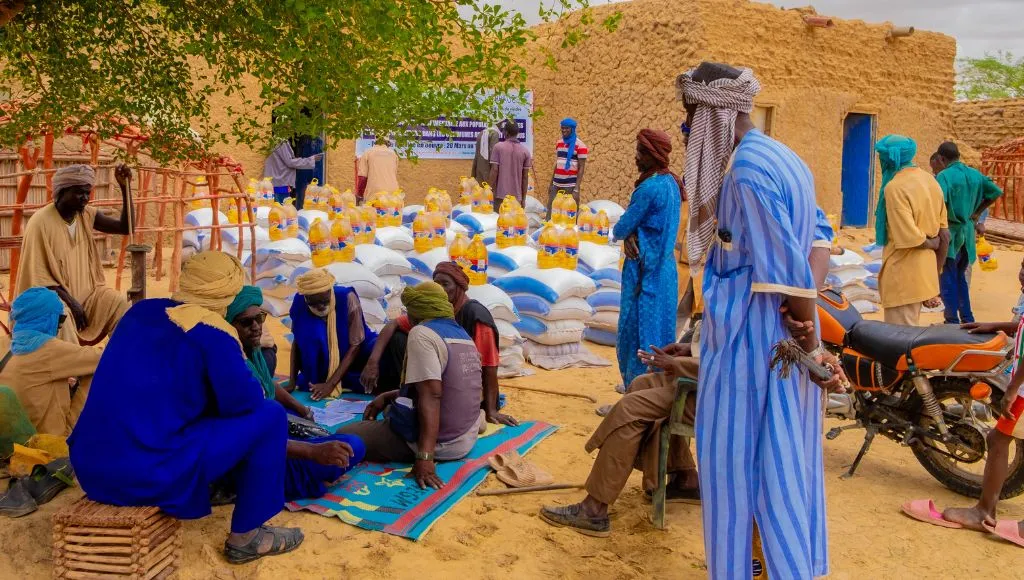
1.6 million people facing acute food insecurity.
Over 6% of Mali's population - 1.6 million people - are expected to face acute food insecurity between June and August 2026.
Two-thirds of the people facing extreme hunger are concentrated in ten countries.
This is where hunger is deepest, needs are greatest - and where action can make the greatest difference.
We’ve collated data and evidence from the world’s most severe food crises in our report: The 10 Largest Global Food Crisis 2026. Explore our findings on the current state of world hunger and who it’s affecting the most.
Ways to explore our findings:
Note: If you’re viewing the full report on mobile, we suggest rotating your device to view it better.
30.6 million facing acute food insecurity
Nigeria ranks first globally by absolute number of people facing food insecurity. It's projected that this number could increase to 34.7 million people facing acute food insecurity during the lean season.
Nearly 6.4 million children under five are expected to be acutely malnourished by September 2026, with nearly 786,000 pregnant and breastfeeding women requiring malnutrition treatment.
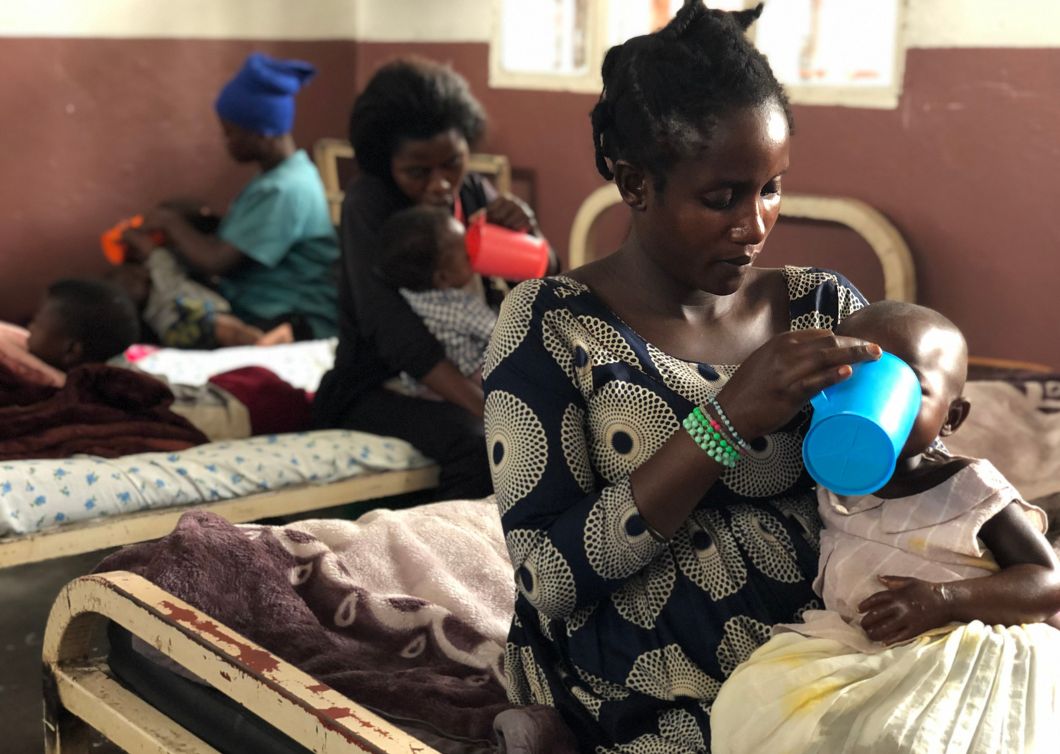
27.7 million facing acute food insecurity
Last year, the Democratic Republic of the Congo (DRC) experienced one of the world’s most severe food
crises, with around one in four people facing severe food security and Eastern provinces hardest hit.
The malnutrition crisis in the DRC is also alarming, with 4.18 million children under five facing acute malnutrition and nearly 1.54 million pregnant and breastfeeding women needing malnutrition treatment.
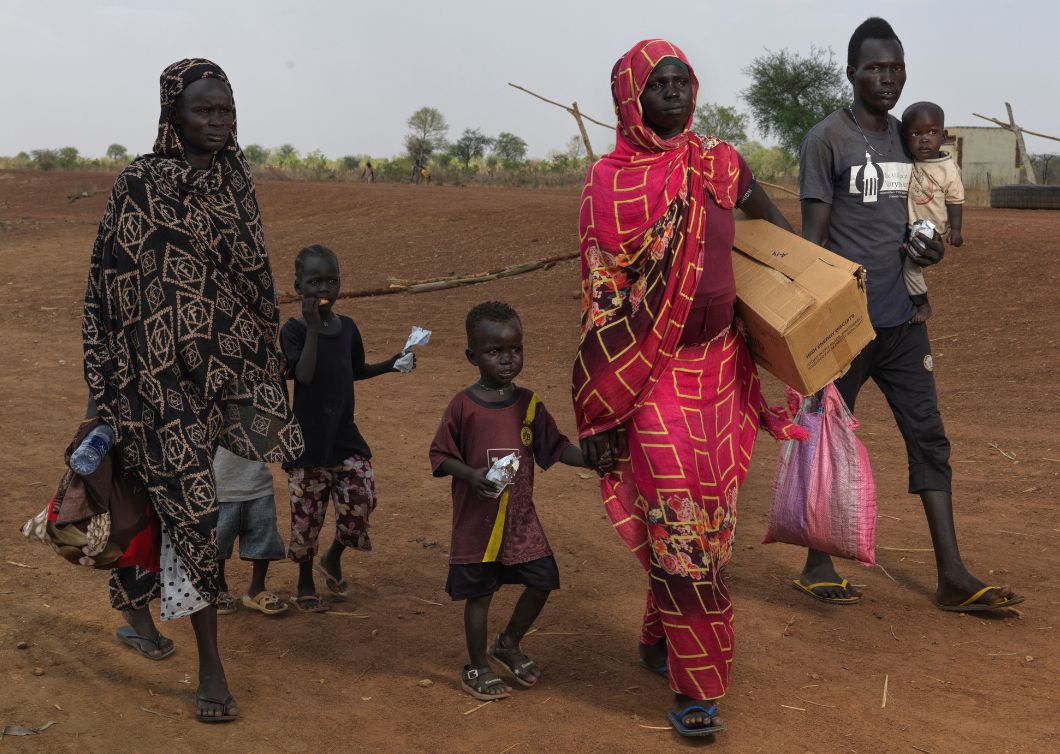
24.6 million facing acute food insecurity
The hunger crisis in Sudan is set to continue, with at least 19.5 million more people projected to face acute hunger in 2026. IPC analyses have identified famine conditions in two regions of Sudan with 20 more areas at-risk.
4.2 million Sudanese children and pregnant and breastfeeding women are projected to be acutely malnourished in 2026 - 12% higher than estimates for 2025.
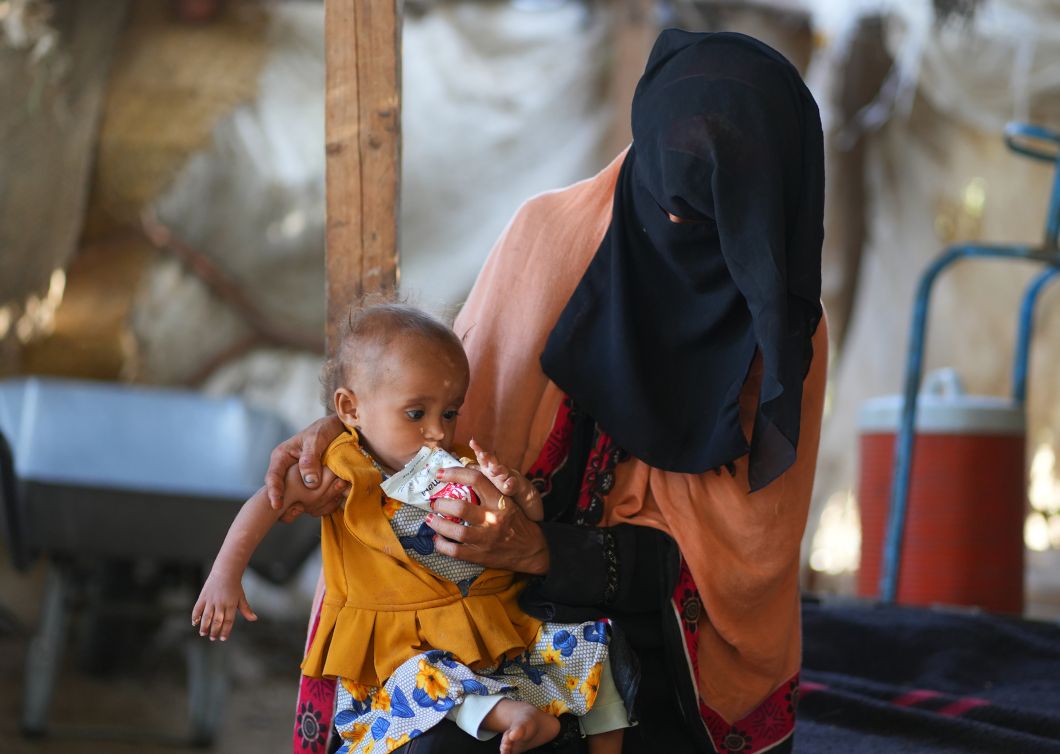
18.1 million facing acute food insecurity
Yemen is facing a rapid deterioration of hunger. Over 18 million people - more than half of the total population – are estimated to be acutely food
insecure.
Malnutrition levels are equally alarming, with over 2.2 million children under five expected to be acutely malnourished and 1.3 million pregnant and breastfeeding women needing malnutrition treatment.
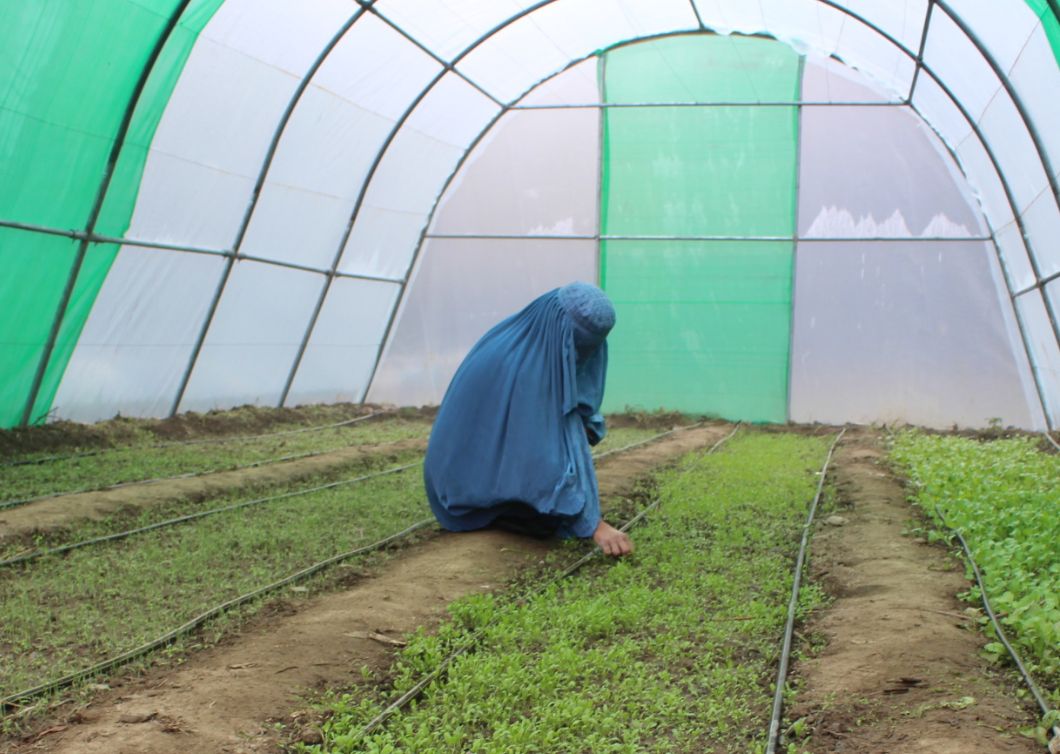
24.6 million facing acute food insecurity
Food insecurity remains one of the most severe humanitarian concerns in Afghanistan. It's estimated that 17.4 million people will face crisis or worse levels of
acute food insecurity.
The nutrition situation remains critical. In 2026, an estimated 3.7 million children under five and 1.2 million pregnant and lactating women are expected to suffer from acute malnutrition.
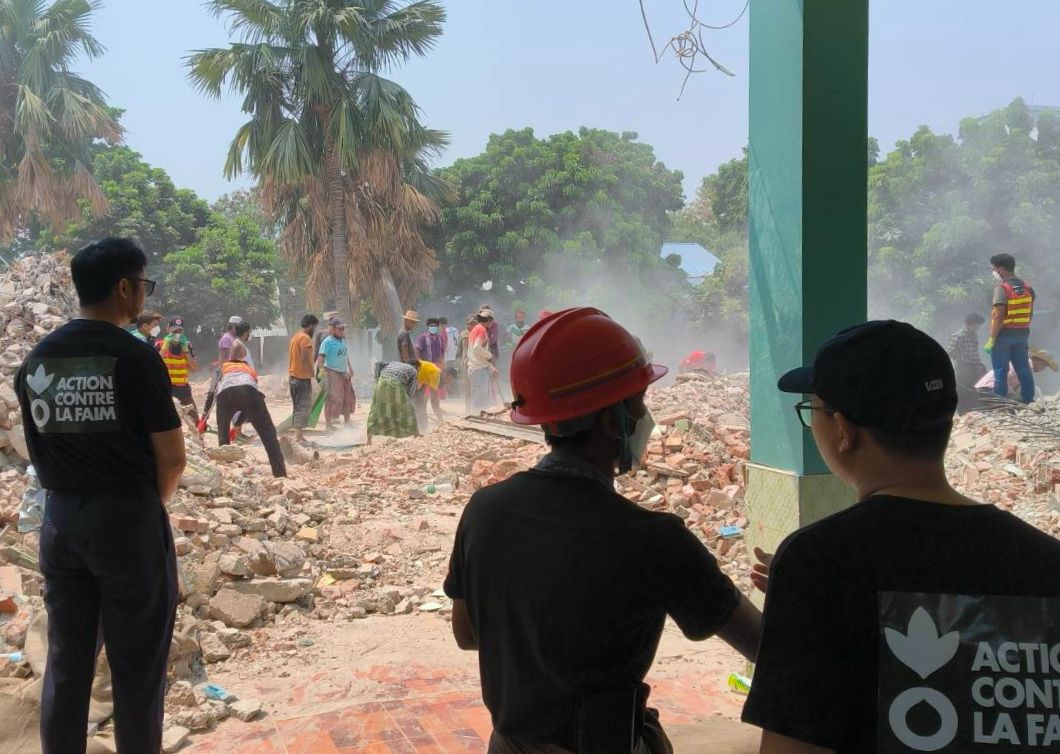
24.6 million facing acute food insecurity
Myanmar experienced one of the largest deteriorations in food security globally last year and 2026 projects that 12.4 million people will face acute food insecurity by mid-2026.
The malnutrition crisis is intensifying too, but data on acute malnutrition in Myanmar remains limited.
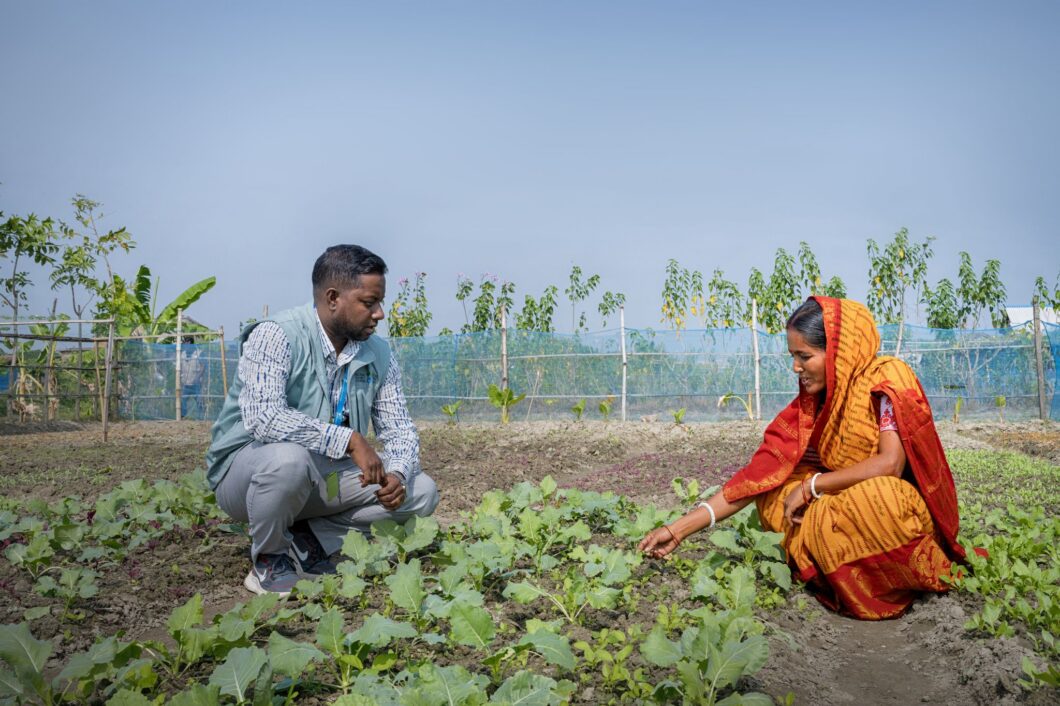
16 million facing acute food insecurity
Bangladesh remains one of the world’s major food crises, with around 16 million people facing high levels of acute food insecurity.
It's projected 15.3 million people will experience crisis-level food insecurity between May and August 2026 rising to 18.1 million between September and December.
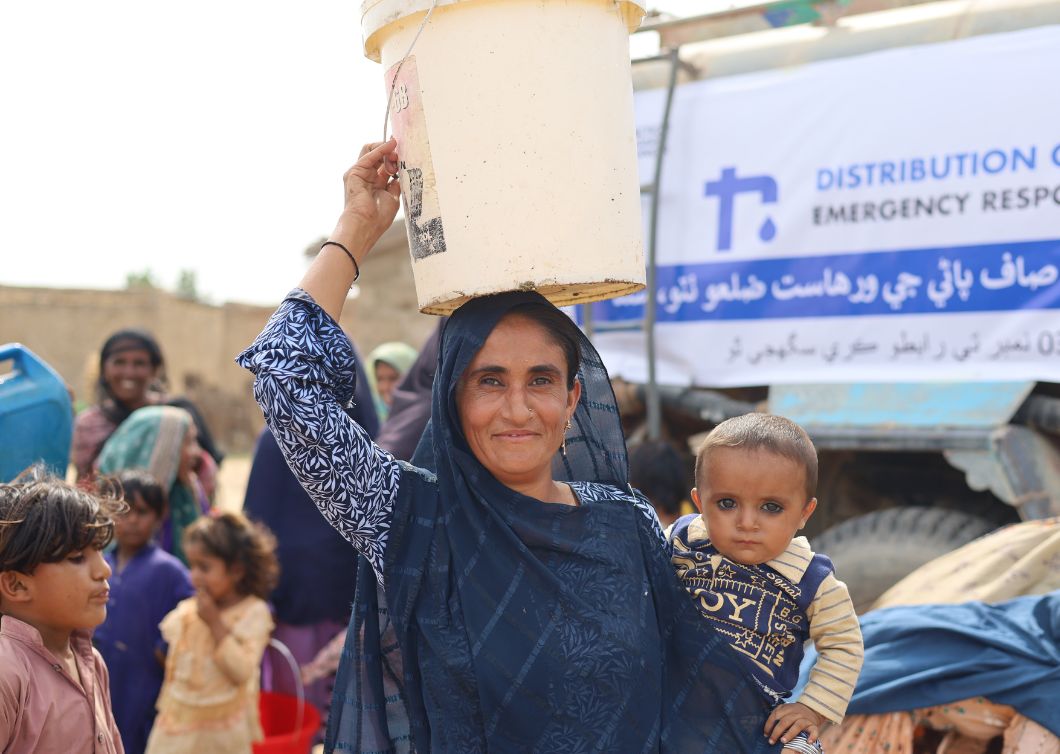
11 million facing acute food insecurity
An estimated 10.6 million people in 51 rural areas of Pakistan are experiencing acute food insecurity. Food insecurity is concentrated in vulnerable communities where climate shocks are common.
Malnutrition remains a critical public health concern in Pakistan, with an estimated 2.71 million children are affected by acute malnutrition, including nearly 706,000 suffering from severe acute malnutrition.
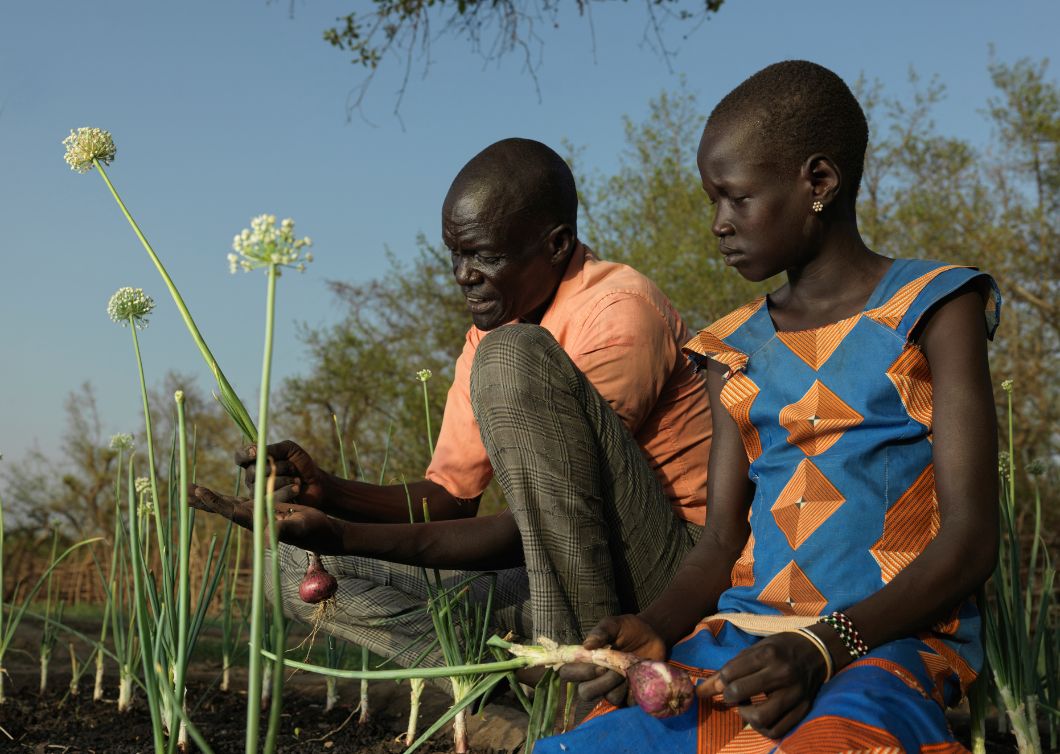
7.8 million facing acute food insecurity
South Sudan, the world’s youngest country, continues to face one of the most severe humanitarian crises globally, with 7.8 million people facing food insecurity and risk of famine in some areas of the country.
Between April and July 2026, an estimated 2.2 million children under five suffered acute malnutrition with 1.2 million pregnant and breastfeeding women requiring malnutrition treatment.
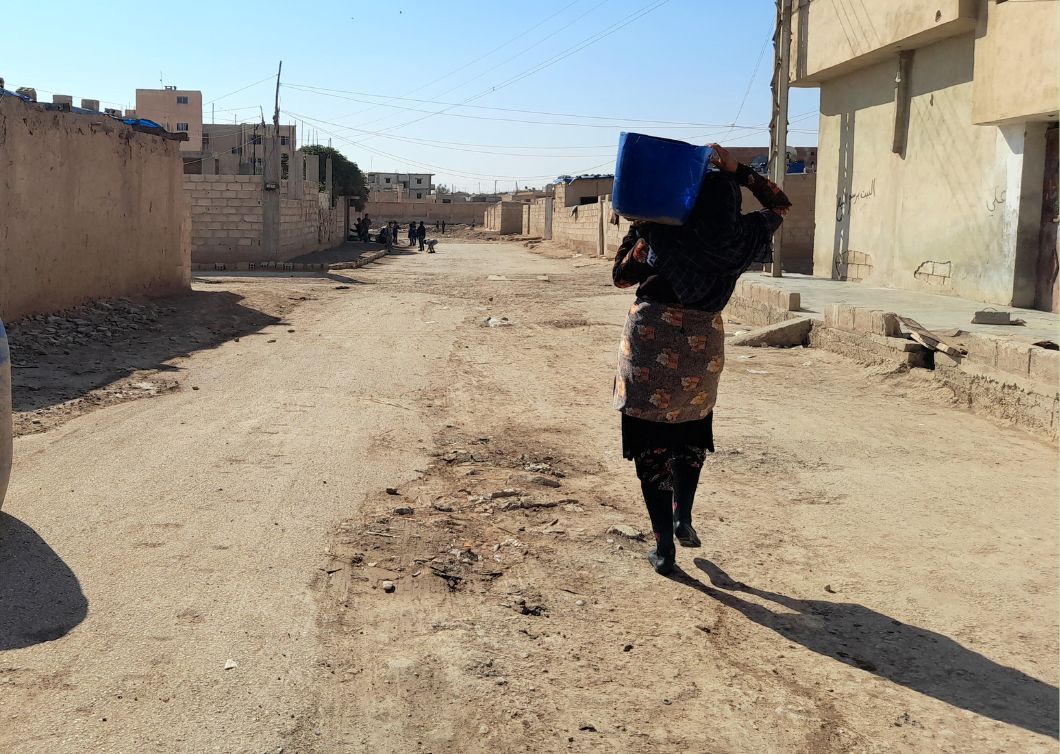
7.2 million facing acute food insecurity
Despite some improvements, Syria remains one of the worst hunger crises in the world, with 7.2 million people experiencing extreme food insecurity and a massive 15.6 million people needing humanitarian assistance in 2026.
An estimated 500,000 children under five are affected by acute malnutrition which has a high mortality rate. Around 1.2 million pregnant and lactating women are also affected by acute malnutrition.
These cases require priority attention, as they combine a high incidence of hunger with immediate threats to survival.
1.6 million people facing acute food insecurity.
Over 6% of Mali's population - 1.6 million people - are expected to face acute food insecurity between June and August 2026.
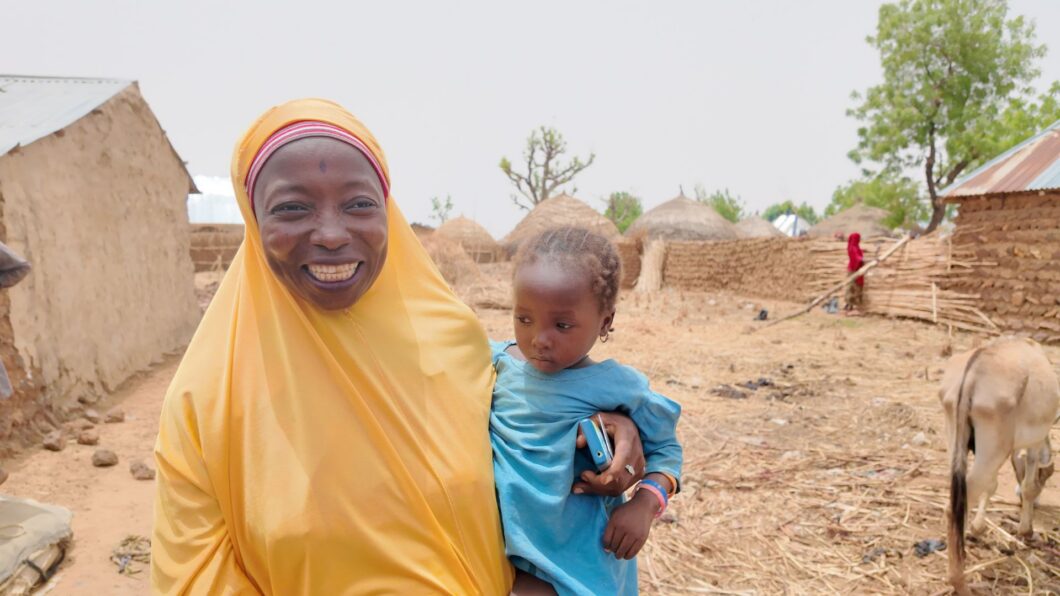
2.42 million people facing acute food insecurity.
Over 2 million people in Niger are expected to face severe acute food insecurity during the 2026 lean season.
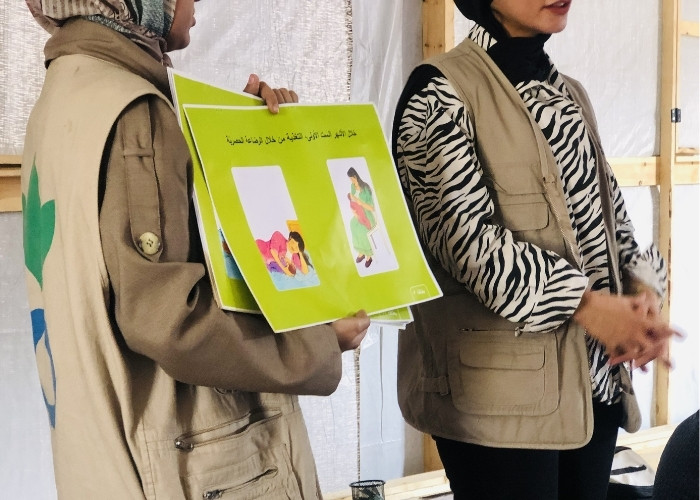
1.6 million people facing acute food insecurity.
The hunger in crisis in the Occupied Palestinian Territories remains critical, with 1.6 million people food insecure and most families in Gaza limited to diets entirely of rice, lentils, and flour.

The figures for the worst hunger crises in 2026 may look stark - but there is still hope, and hunger is not inevitable. The right choices can save lives and stop crises from getting worse.
We're pressuring Andy Burnham and the UK Government to protect life-saving aid, back local organisations and help build a safer, fairer future for communities and countries facing extreme hunger.
Sign our hope petition now and add your name with thousands of others to call on the UK Government to do better. Together, we can help create a world where fewer people face hunger.
Businesses, trusts, foundations and individual philanthropists have a vital role to play in tackling the world’s hunger crises. Your support can help deliver life-saving treatment, food and clean water, while helping communities build lasting resilience to hunger.
Get in touch to learn more about our work in these countries, where funding is needed most and how your support could make a difference. Together, we can explore opportunities that reflect your organisation’s priorities or personal giving interests.