As humanitarian needs remain critical in Afghanistan, with nearly 22 million people requiring assistance, Action Against Hunger faces an alarming rise in the caseload in its health and nutrition facilities and warns that malnutrition continues to pose a severe threat, particularly for children. Low awareness of malnutrition, delayed treatment, and limited access to essential services are increasing the risk of severe complications, while chronic funding shortfalls threaten the continuity of life-saving assistance and limit efforts to prevent malnutrition before children require treatment.
Since the start of the year, Afghanistan has been hit by a succession of climate-related shocks, from a severe winter to worsening drought and water shortages, deepening vulnerabilities in remote and rural areas. In affected communities, the lack of water for irrigation has contributed to crop losses and declining food security, leaving some families with no choice but to abandon their homes in search of livelihoods and basic necessities.
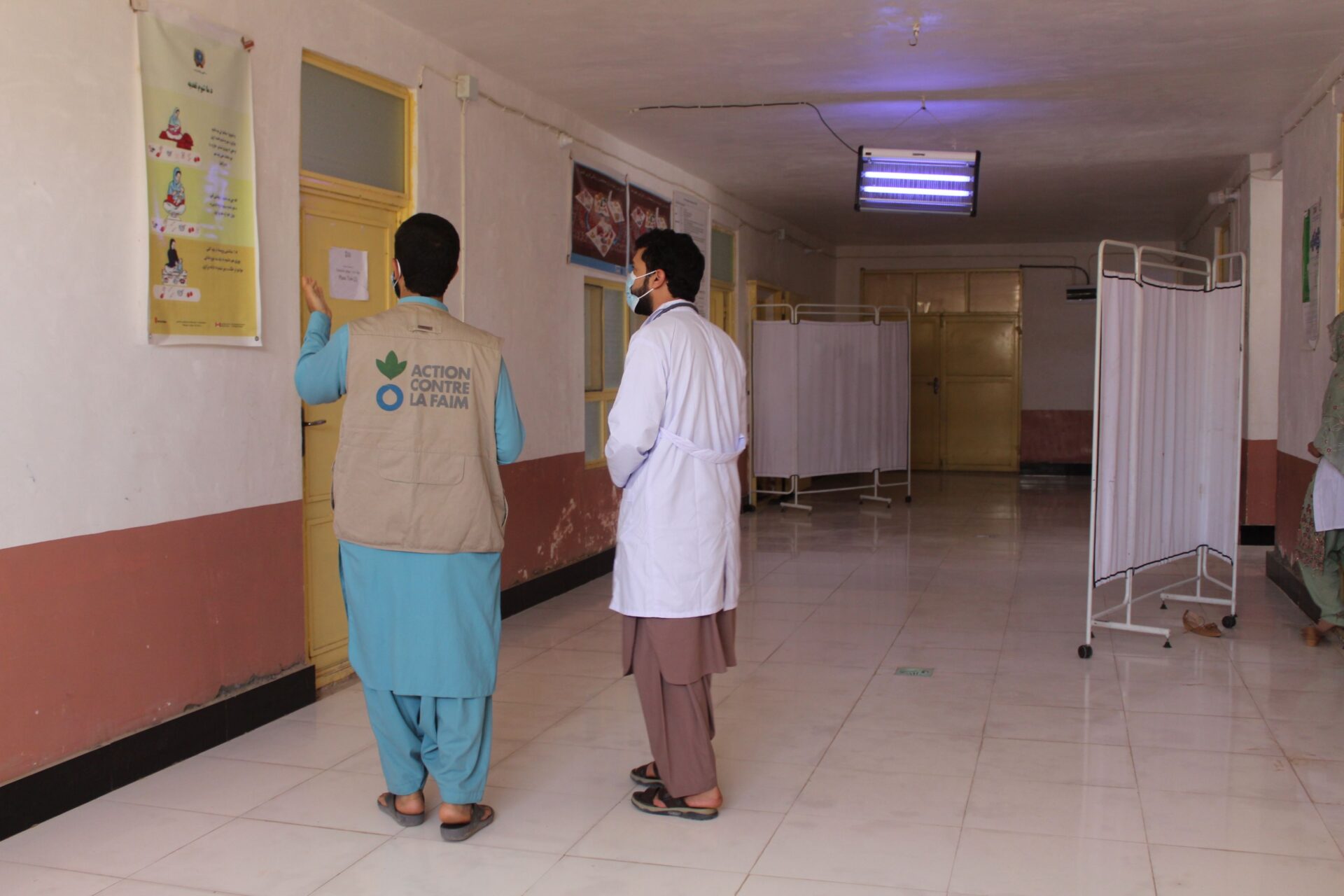
In June 2026, the Therapeutic Feeding Unit in Kabul (TFU) recorded 142 new admissions, a 149 per cent increase compared with the same period in 2025. Similar trends have been observed across all other provinces where Action Against Hunger operates, prompting health facilities to expand their capacity to meet growing needs. In Lashkar Gah, Helmand province, a sharp rise in cases prompted the TFU to increase its bed capacity from 45 to 72, and then again to 118, within just a few weeks.
Behind these figures are families struggling to break free from a cycle of poverty and recurrent malnutrition. At the TFU in Charsada, Ghor province, a five-month-old child has been admitted for malnutrition treatment for the third time in his short life. Like many families in Ghor, his family depends on subsistence agriculture for food and income. Recurrent drought and other climate shocks have repeatedly reduced harvests and income. As a result, children discharged from treatment often return to households that still lack the resources to provide the nutritious food they need to recover and grow.
Yet treating malnutrition alone is not enough. Action Against Hunger promotes an integrated approach that combines nutrition services with food security and livelihoods support, helping families better meet their basic needs, reducing the pressure to make difficult choices driven by economic hardship, and lowering the risk of falling back into crisis. This is complemented by a community-based approach that empowers local communities to identify and address nutrition challenges, ensuring more sustainable and lasting solutions to malnutrition.
The impact of these investments extends beyond food security. After starting a successful tailoring business with Action Against Hunger’s support, one mother was able to increase her income, meet her family’s nutritional needs, postpone the marriage of her 14-year-old daughter until adulthood, and support her return to school.
“Tackling the root causes of hunger is crucial to making lasting progress against malnutrition,” said Cobi Rietveld, Afghanistan Country Director at Action Against Hunger. “When families have the means to earn a living and provide for their children, the benefits extend far beyond nutrition, helping families meet their needs with dignity, protecting children’s futures and helping communities break free from cycles of poverty and hunger. Sustained funding for both life-saving nutrition treatment and longer-term programmes is critical to ensure that vulnerable families can withstand future shocks and build healthier futures for their children.”
Notes to Editors
Action Against Hunger (ACF) has worked in Afghanistan since 1995 and now operates across seven provinces—Kabul, Helmand, Ghor, Daykundi, Badakhshan, Kunar and Uruzgan (the latter two via local partners), with more than 680 staff members delivering multisectoral humanitarian assistance. In 2025, we supported 1,025,873 people. Our core focus is the integrated treatment and prevention of malnutrition, primary health-care, mental health and psychosocial support, water, sanitation and hygiene, food security and livelihoods, and emergency response, embedded within strong partnerships with local organisations and communities.