Four days after the twin earthquakes that struck Venezuela, it is essential to step up support for those affected.
While search and rescue efforts continue, it is important to urgently address the needs of the affected population. Thousands of people remain homeless, without access to drinking water, and without basic hygiene conditions.
In this context, the critical first 72 hours give way to a phase in which emergency assistance is key to preventing the crisis from worsening, especially in areas such as health, food, access to safe water, and the protection of the most vulnerable people.
“Although the earthquake occurred a few days ago, the emergency continues and will intensify as we gain access to more affected areas. Today we see families organising their lives in tents and makeshift shelters, where access to safe water and basic hygiene conditions is essential to protect their health and dignity,” explains Dunia de Barnola, director of Action Against Hunger in Venezuela.
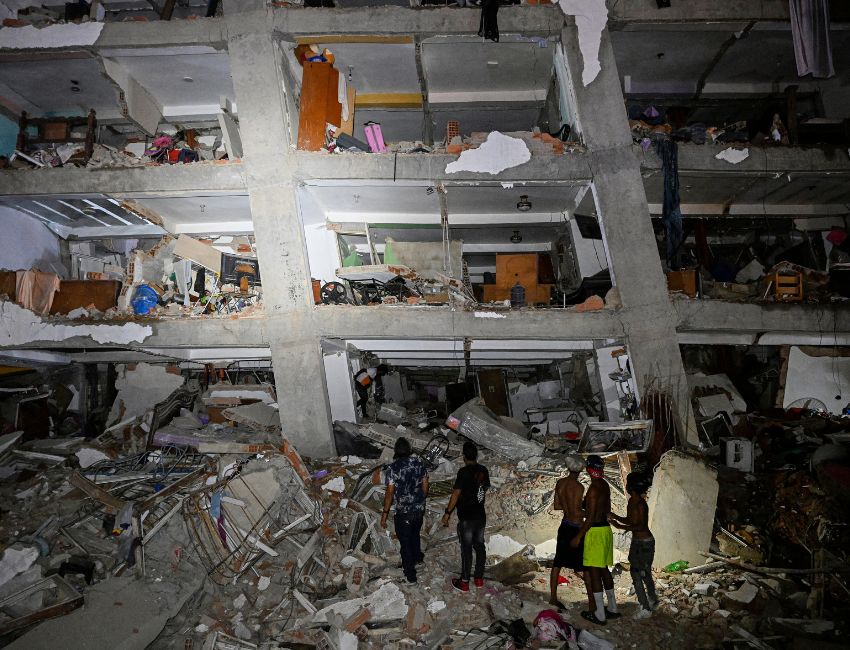
La Guaira and the city of Caracas remain the hardest-hit areas, with widespread structural collapses and thousands of people sleeping outdoors amid the risk of further aftershocks. In several locations, thousands of people remain without adequate shelter, living in extremely precarious conditions.
The most urgent needs include access to water, food, medical supplies, hygiene items, and shelter solutions such as tarps or sleeping mats.
A worsening emergency: water, sanitation and health at a critical juncture
Conditions in the main population centres are increasingly concerning. The lack of safe water, the absence of adequate sanitation facilities, and the accumulation of waste are increasing health risks, especially in areas where bodies still lie beneath the rubble.
At the same time, the healthcare system is operating under severe strain. Many facilities have suffered structural damage, and some have had to set up outdoor spaces to treat patients, while field hospitals are working to boost their response capacity.
Action Against Hunger strengthens its response on the ground
Action Against Hunger continues to roll out its response in Caracas, La Guaira, and other affected areas, coordinating with local institutions and focusing on meeting the population’s most urgent needs.
In recent hours, teams have begun and expanded the distribution of hygiene kits, menstrual hygiene kits, and essential supplies, both in shelters and in makeshift settlements where thousands of people are living after losing their homes.
In addition, the organisation is supporting rescue teams by providing basic supplies, while also strengthening its efforts in water, sanitation, and health.
The organisation has also begun to reach more hard-to-reach areas, such as isolated communities in mountainous regions, where medical assessments are being conducted to prepare for more comprehensive interventions in the coming days.
Protection and psychological support: key elements in a prolonged crisis
The emotional impact of the emergency is already evident among the affected population. Action Against Hunger has mobilised its mental health and psychosocial support capacity, with specialised teams providing psychological first aid from the earliest stages of the crisis.
The organisation also maintains a strong focus on protection, paying special attention to the risks of gender-based violence and the situation of the most vulnerable people—women, children, and the elderly—in contexts of displacement and overcrowding.
An evolving emergency
The emergency continues and will intensify. Disruptions to basic services, difficulties in accessing aid, and the concentration of people in unplanned settlements suggest that urgent needs will continue to rise in the coming days.
“In light of this situation, Action Against Hunger will continue to support coordination efforts and expand its response with a clear goal: to ensure that aid reaches the people who need it most at the most critical moment,” adds Benedetta Lettera, Head of Operations for Action Against Hunger in Latin America.
“At this time, the local market continues to function in cities like Caracas, which allows us to act more quickly and effectively by purchasing supplies directly within the country. That is why financial donations are key: they not only allow us to respond immediately to the most urgent needs, but they also help sustain the local economy. Every contribution translates into direct aid for the affected communities,” concludes the Head of Operations for Action Against Hunger in Latin America.
The public can donate to Action Against Hunger’s Emergency Fund to help people affected by the earthquakes in Venezuela here.