In 2025, around 645 million people experienced hunger. Conflict, extreme weather and rising prices are making it harder for people to access nutritious food, clean water and healthcare. Yet the UK Government still plans to reduce international aid to just 0.3% of national income by 2027.
This is a political choice. And together, we can call for a better one.
How the hunger crisis is connected across the world
People in countries including Somalia, Yemen, Sudan, Gaza and Venezuela are living with severe hunger and malnutrition.
Much of this suffering can be prevented. Solutions exist. But conflict, inequality and restrictions on humanitarian access can stop food, water, healthcare and support from reaching people safely.
People across the UK are also feeling the effects of extreme weather, disrupted trade and rising prices.
Drought and heat can put pressure on farms, water supplies and household budgets. Conflict can disrupt the movement of grain, fertiliser, fuel and other essential goods, increasing costs across global supply chains.
A higher shopping bill in Britain is not the same as being cut off from food and water during a conflict. But these pressures are connected through a global food system exposed to extreme weather, violence, disrupted trade and rising costs.
Protecting people from hunger around the world and building resilience at home are not competing priorities. Both help create a safer and more secure future.
How malnutrition affects a child’s future
The number of people experiencing hunger fell slightly in 2025. But approximately 2.1 billion people experienced moderate or severe food insecurity meaning they lack regular access to enough or nutritious food. Conflict remains one of the main causes of severe hunger. It destroys farms and water systems, disrupts livelihoods and can prevent humanitarian assistance from reaching people.
In 2025, famine was confirmed in Gaza. Famine was also confirmed in parts of Sudan, where conflict has displaced millions of people and damaged essential services.
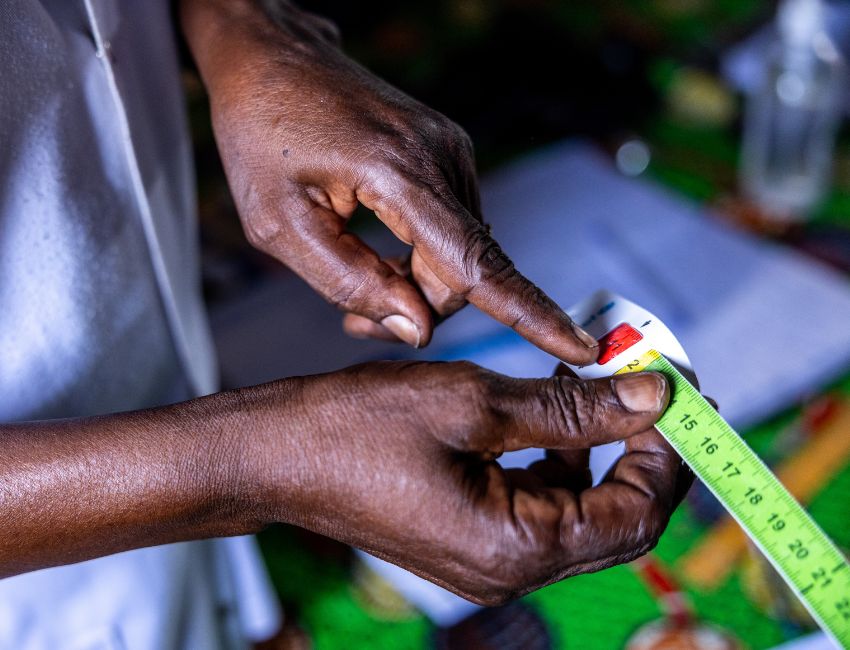
Children are especially at risk. For the first time in history, famine has been declared in two places in the world within one year. This also affects the future of these communities, as without nutritious food and timely treatment – malnutrition can both threaten a child’s life now and affect their health, learning and development for years.
But the future can be different. Investment in nutrition, healthcare, clean water and having a shared safety net where everyone is able to live with dignity, meet their basic needs and get help during hard times will can save lives. And can also help communities prepare for and respond to future crises.
Why UK Aid matters
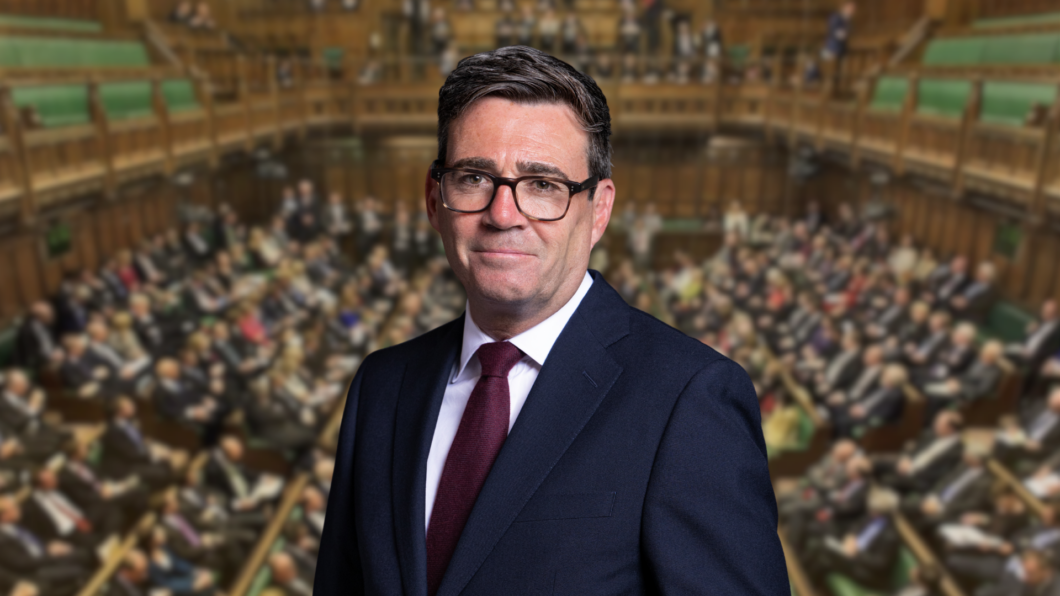
New Prime Minister Andy Burnham has spoken about restoring hope and helping Britain believe in a better future. That hope should extend beyond our borders.
Preventing hunger, protecting children from malnutrition and acting before crises grow all contribute to a safer, healthier and more secure world.
But the Government plans to reduce UK aid to 0.3% of national income by 2027. While even the Government’s own assessments recognise that aid reductions can have a disproportionate impact on women, children, disabled people and others who already face the greatest barriers during crises.
The independent aid watchdog has estimated that UK aid spending could fall by around 42% as the new spending plans take effect. It has also found no clear plan for returning aid spending to 0.7%.
Aid cuts aren’t just numbers on a balance sheet. They can mean:
- Fewer children receiving treatment for malnutrition
- Less food, clean water and healthcare for people affected by conflict
- Reduced support for local and national organisations
- Weaker food, health and social-protection systems
- Less action to prevent famine and atrocities
- Weaker UK leadership on hunger, international law and global security
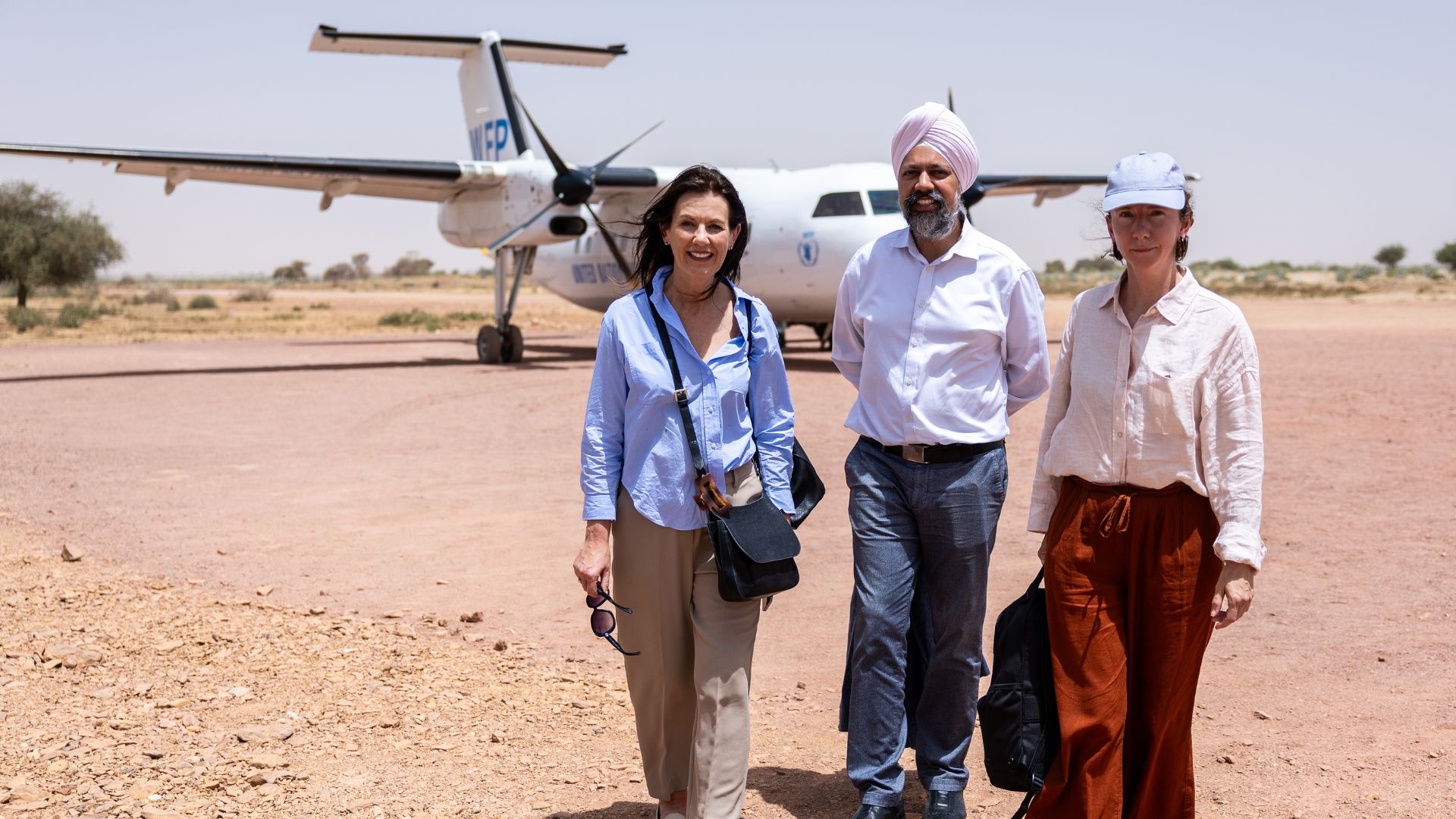
Earlier this year Monica Harding MP, Tanmanjeet Singh Dhesi MP and Anneliese Dodds MP visited Action Against Hunger projects supporting Sudanese refugees in Chad.
Labour: a proud history of leadership on international development
International development has a long history within the Labour movement.
Tony Blair’s Government created the Department for International Development and set a timetable for reaching the United Nations target of spending 0.7% of national income on aid.
Gordon Brown maintained the commitment during the 2008–09 financial crisis. Labour MPs later helped establish the 0.7% target in law under Ed Miliband’s leadership.
Labour’s 2017 and 2019 manifestos committed to spending at least 0.7% on international development. In 2024, Labour again promised to restore development spending to 0.7% when financial circumstances allowed.
Reducing aid to 0.3% moves the UK further away from that tradition of international leadership. The 0.7% target remains set in law, although governments can depart from it when they explain their decision to Parliament.
Britain can choose to lead
The UK will host the G20 in 2027, the world’s largest economies that meet to discuss major global issues such as trade, jobs, debt and climate change. This creates an important opportunity to put hunger and malnutrition higher on the international agenda.
Britain can use its diplomatic influence to bring governments together and act before the hunger crisis deepens.
It can uphold international humanitarian law and help ensure people can safely access food, clean water, healthcare and humanitarian assistance.
It can also invest in longer-term solutions, including healthcare, nutritious food, water and sanitation, shelter, education and social protection.
Communities affected by crisis are not passive recipients of help. Local organisations, community groups and national responders are often the first to act. They understand the context, identify solutions and support their neighbours.
Hope at home, leadership abroad
We’re calling on the UK Government to:
- Reverse aid cuts: set a clear path back to spending 0.7% of national income on international development
- Protect life-saving aid: safeguard funding for food, nutrition, healthcare, water and sanitation and; emergency support
- Build stronger systems: invest in food, health, water and social protection
- Stay one step ahead of hunger: act before hunger becomes life-threatening and crises deepen
- Lead global action: use the UK’s G20 Presidency in 2027 to drive action on hunger and malnutrition
Britain can build greater security at home while acting in solidarity with communities facing hunger and conflict around the world.
It can act before crises deepen, defend international law and invest in lasting, locally led solutions.
Change is possible when people act together.