Emergencies are unpredictable. Our ability to respond shouldn’t be. 

Our Emergency Action Fund ensures we’re ready to act when crises happen, helping communities before needs escalate and ensuring support reaches those who need it most.

Responding to global emergencies is at the core of our work. In 2025, we responding to 71 emergencies across the world, often first on scene with life-saving aid.

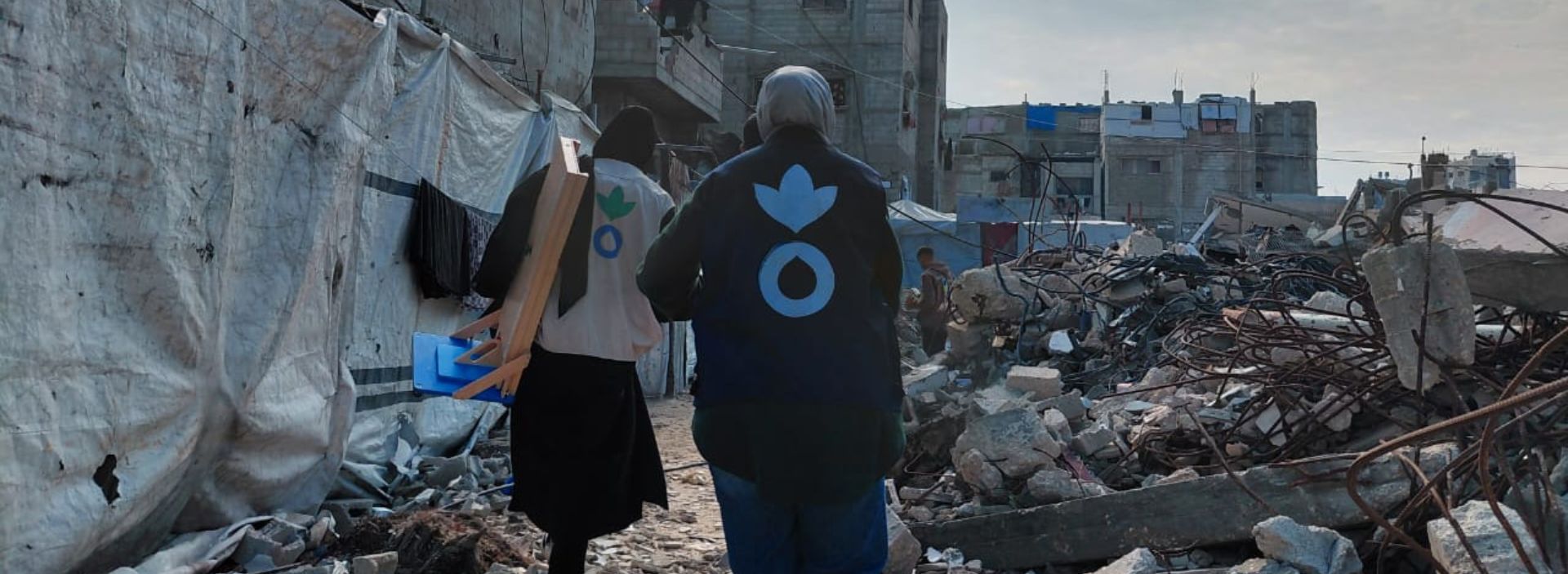
Our teams continue to respond to emergencies right now – in Sudan, Gaza and beyond – providing life-saving humanitarian assistance in some of the most fragile and hard-to-reach places on earth.

As a globally recognised disaster relief experts, we save the lives of people during disasters and in times of crisis.

Your donation to our Emergency Action Fund helps us to anticipate and respond to crises as quickly as possible. Because rapid action saves lives.

Please give what you can today.
Make an emergency donation now

Live emergencies 2026

Emergencies are becoming increasingly unpredictable, with a changing climate making disasters hit even harder.

Here's how we're responding to recent disasters - all helped by donations to our Emergency Fund.

Flood in Nepal and Tibet

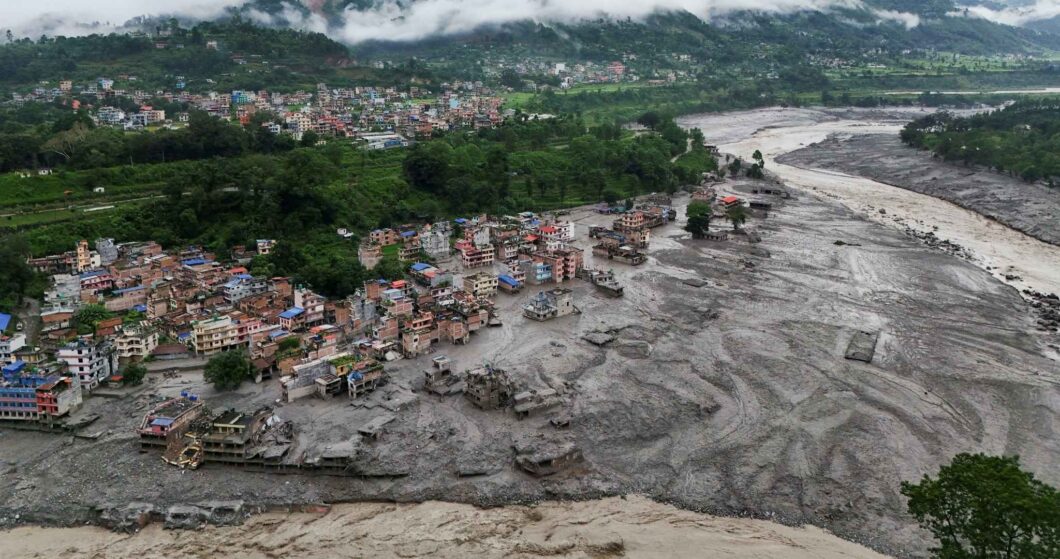
Our teams have been quick to mobilise after a devastating flash flood hit Nepal and Tibet on 25 August 2026. We're assessing how we can assist Nepalese communities right now, including aiding search and rescue.

Your donation now helps us respond with rapid action after devastating floods like the one in Nepal.

Ebola in Democratic Republic of Congo

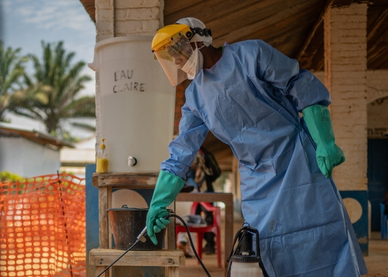
Amid the recent Ebola outbreak in the DRC, we're supporting frontline health facilities in affected areas, focusing on restoring safe water access. We're also aiding preparedness in surrounding countries to prevent further spread.

Donating to our Emergency Fund helps us to respond to deadly epidemics like Ebola.

Earthquake in Venezuela

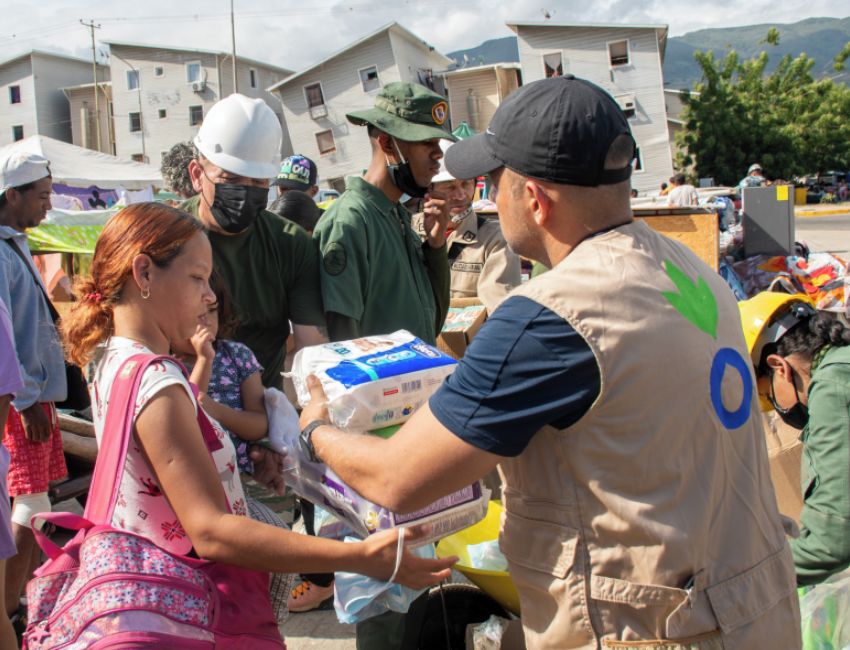
Action Against Hunger teams distribute emergency supplies in Venezuela.

We were quick to supply essential humanitarian aid when an earthquake hit Venezuela in June of this year. We distributed menstrual hygiene kits to women and girls and provided cleaning materials to shelters as part of our response.

Making an emergency donation now helps us respond to emergencies with specialist support.

Emergencies we responded to in 2025

  • 35 climate disasters

    We responded to 35 climate-related emergencies last year, including the earthquake in Myanmar, where we distributed food and hygiene kits and supported essential health services.

  • 28 conflicts

    We responded to 28 conflicts last year, including in Gaza, Sudan and Afghanistan, providing immediate aid and long-term recovery programmes to displaced communities.

  • 8 epidemics

    We responded to 8 epidemics last year, including the cholera crisis in Sudan. We're also providing essential health support during the current Ebola outbreak in the Democratic Republic of Congo.

How do Action Against Hunger support people during emergencies?

When action is needed to save lives, we’re there working to get the right food and support to communities at the right time.

We’re responding to dozens of emergencies around the world, including:

  • reaching over 340,000 people in Gaza by distributing clean drinking water, food baskets and hygiene kits
  • working with refugees who have fled Ukraine by distributing food and providing mental health support to survivors affected by trauma
  • helping war-torn communities in Yemen by treating malnutrition, ensuring access to clean water and treatment for cholera.

Your donation now helps us continue our work assisting disaster-affected communities across the world.
Make an emergency donation now

Why should I donate to the Emergency Action Fund?

The world is becoming more unpredictable. And to save more lives, humanitarian organisations like Action Against Hunger need to be prepared.

Humanitarian disasters are increasing in frequency, complexity and scale. Climate shocks, disease outbreaks, conflict and displacement are placing millions of people at risk, often with little warning. At the same time, cuts to aid budgets mean that organisations have fewer resources to respond, leaving communities increasingly vulnerable.

When a crisis strikes, the first hours and days are critical. The Emergency Action Fund ensures our teams can mobilise quickly to reach people with the urgent support they need. 

Photo credit: © Patient Kabukulu for Acton contre la Faim