Action Against Hunger warns that this year, more than 50 million people will face acute food insecurity during Africa’s so-called ‘Hunger Season’, which runs from June to September.
The organisation emphasises that this figure has quadrupled in just five years, driven by a combination of factors that feed into one another in a devastating way: armed conflicts, the climate crisis and inflation in the prices of food and basic supplies.
During this period of scarcity, caused by the inability to harvest crops, rising food prices are common, but the tensions experienced so far along trade routes in the Middle East – a lifeline carrying 25 per cent of the world’s oil and 30 per cent of its fertilisers – have caused transport costs to skyrocket to areas such as Mali, Niger and Chad, which rely on these routes for supplies during these months. This situation threatens a further 10 million people with food insecurity in the central belt of Africa. The current rise in fertiliser prices will affect crop yields, including rice and maize, by 2027.
“The blockades that have occurred in the Strait of Hormuz to date, coupled with the tensions arising from conflicts in the Middle East, could result in more empty plates in the Sahel during the lean season. The region is facing a veritable economic tsunami due to rising prices coupled with the lack of international aid funding, as highlighted by the World Food Programme, among others,” said Paloma Martín de Miguel, head of operations for Action Against Hunger in Africa.
This inability of a large part of the population to buy food compounds the problems caused by climate change, as well as those caused by the various conflicts ravaging the region. Millions of people in the Sahel and Sudan have been forced to flee due to violence, and in many cases, restrictions on movement prevent families from accessing their fields and markets, while vital supplies such as fuel and food are being used as a tactic of war against the civilian population.
The Hunger Season and aid cuts
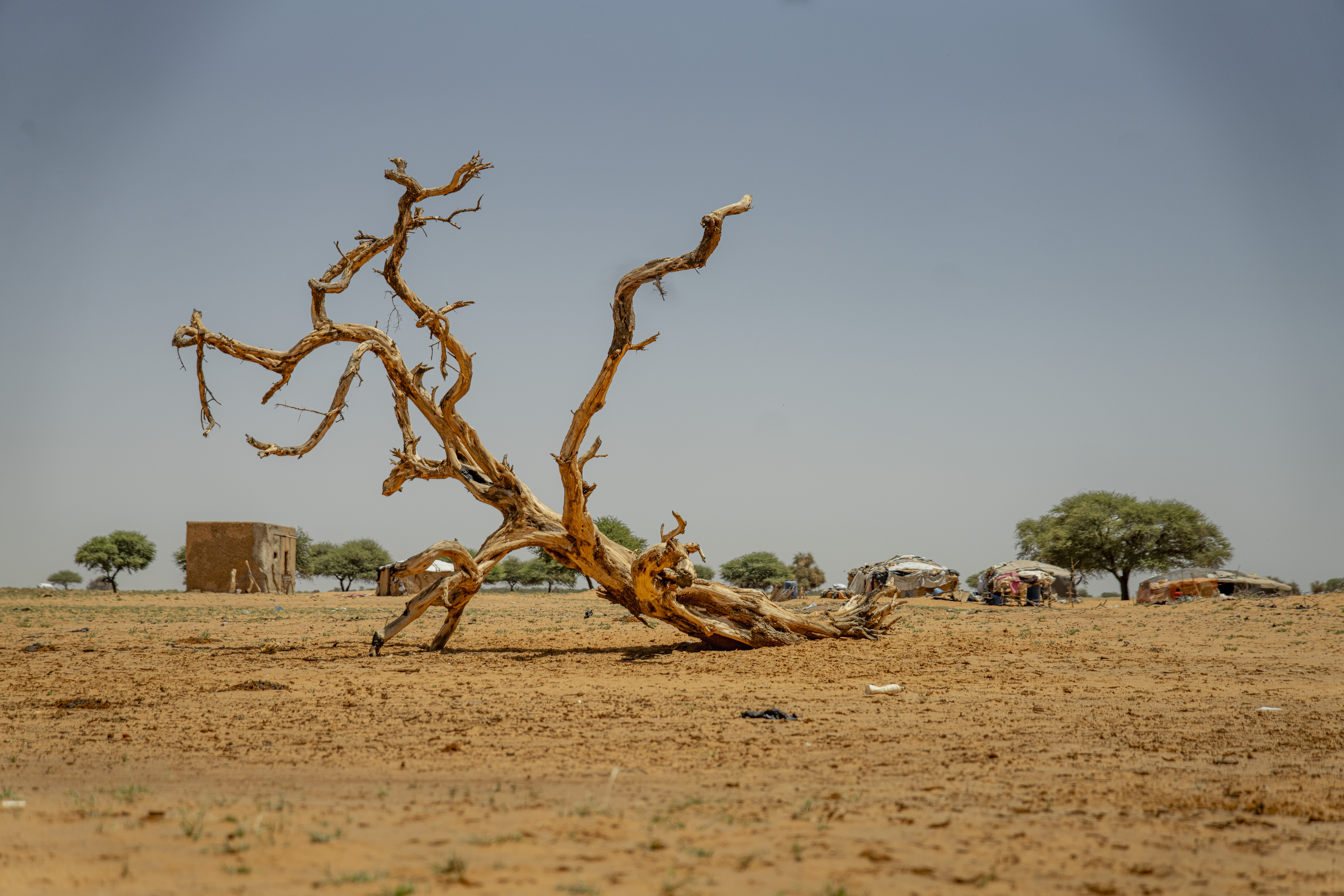
The months from June to September are known in the Sahel region as the Hunger Season (shortage). During this rainy season, food from the previous harvest is usually running out; what remains becomes more expensive, and no new supplies are available until the next harvest in October. As a result, families reduce the quantity and quality of their meals, are often forced to sell the few livestock they have left, and cases of malnutrition are on the rise.
Over the last three years, the number of people facing a food crisis during this period has risen by more than 8 million. “Drastic cuts in development aid will have a devastating effect on the children of this region. Food shortages and the rise in diseases resulting from child malnutrition can have long-term consequences for the physical and cognitive development of an entire generation,” explains Martín de Miguel.
Action Against Hunger points out that we are currently facing a “critical funding shortfall.” For example, the response to the situation in Sudan has secured just 22 per cent of the necessary funds, the response in Mali stands at 16 per cent, and that in Niger at an alarming 13 per cent.
“The lack of an international response turns foreseeable crises into extreme emergencies and famines. Cuts to development aid mean that hundreds of communities could become trapped in a cycle of permanent poverty and hunger,” says Martín de Miguel.
The Sahel, the global epicentre of hunger
The Sahel, the strip of land stretching across Africa from the Atlantic Ocean to the Red Sea, is home to most of the countries with high levels of food insecurity. In Sudan, for instance, armed conflict has left nearly 40 per cent of the population – some 20 million people – facing acute food insecurity. This figure could rise even further in the coming months.
In other countries, such as Mali and Niger, there are fears that the number of people starting each day without knowing whether they will be able to eat, already standing at 1.4 and 2.4 million respectively, will rise dramatically during this period. In Niger, for example, the prices of staple foods such as millet and rice have risen by 30 per cent over the last five years, making them unaffordable for a large part of the population.
The organisation’s response to the Hunger Season combines emergency assistance with measures to promote long-term food self-sufficiency. In countries such as Sudan, Mali, Niger, Mauritania and Senegal, it supports millions of people with health and nutrition services, water and sanitation, cash transfers and agricultural support. In Sudan alone, it assists more than 615,000 people, and in Mali it reaches 1.5 million through mobile clinics and cash assistance. These interventions not only save lives at the most critical moments but also bring about sustained improvements in food security.