One year ago, the Prime Minister announced in Parliament his decision to break Labour’s manifesto pledge and cut the UK’s Official Development Assistance (ODA) budget from 0.5% to 0.3% by 2027 – set to be the steepest reduction of any G7 country.
As 93 leaders of the UK INGO sector, we write to mark this grim anniversary and the devastating impacts of the cuts in the last year – and urge the UK government to restore the UK’s position as a principled, reliable and ambitious development partner.
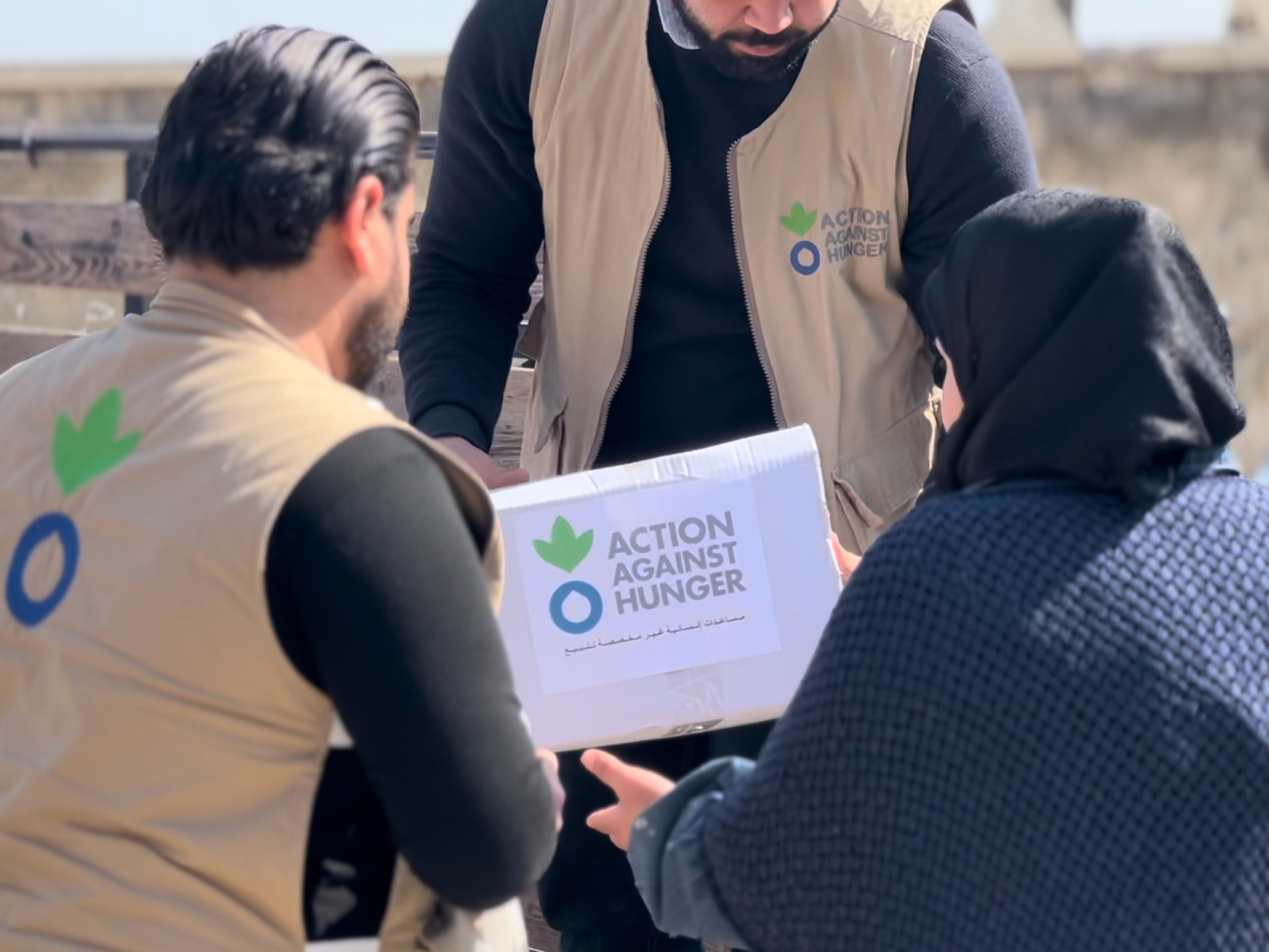
Over the past year, we have witnessed first-hand the consequences of these short-sighted cuts. Compounded with cuts by the US, France, Germany and others, these cuts mean fewer families in conflict zones able to access shelter, food and water, and fewer children able to go to school. Lifesaving health and reproductive programmes in some of the world’s most fragile and conflict-affected countries across Africa and Asia are at risk of closure. The UK government’s own Equalities Impact Assessment of the 2025/26 cuts confirms that women and girls, people with disabilities, children and people affected by conflict, will be hardest hit.
The UK INGO sector has long worked in partnership with the UK government to support the lives of millions of people worldwide. However, these cuts were made without consultation with sector experts, who play a vital role in delivering the legal objective of UK aid: poverty reduction. Cuts to programmes and staffing within the FCDO have also been pushed through without adequate transparency on the strategy and rationale behind these cuts. This lack of clarity has eroded trust in the government: including among local partners with whom vital partnerships have been damaged.
While we acknowledge the fiscal pressures at hand, we strongly believe that no government should balance its books on the backs of the world’s most marginalised people. UK aid represents a tiny proportion of public spending, yet delivers significant return on investment by preventing diseases before they become pandemics, reducing conflict and crises that force people to flee, and strengthening global stability to protect people in the UK and around the world. The savings from cutting UK aid are small, but the consequences are devastating – both for marginalised communities worldwide, and for the British taxpayer.
We know the UK public are concerned about global insecurity and instability and want to see us working with other countries to build a safer and more sustainable world. After multiple broken manifesto promises and U-turns, the British public are looking to the UK to do its fair share in the fight against global poverty and insecurity – not delivering the steepest reduction in its aid budget in the G7.
This decision will arguably have the most damaging global consequences of any this UK government will make, and will shape Labour’s legacy for decades to come unless the government steps up to reverse the cuts and ensure the UK aid budget is focused on global poverty reduction.
With a significantly reduced UK aid budget, the government must step up its ambitions around global financial sector reform and help build a fairer economic system that enables lower income countries to invest in their own sustainable development. The UK’s upcoming G20 leadership offers a critical window to advance this agenda, rebuild damaged partnerships, and reestablish the UK as a trusted global partner.
One year on from the announcement of the UK aid cuts, we urgently call on the UK government to set out a plan to reverse these cuts, ensure poverty reduction is at the heart of its development agenda, and play its part in making the global system fair for all.
Signed,
Adele Paterson, International Health Partners, CEO
Adrian Lovett, The ONE Campaign, UK Executive Director
Alex Daniels, APT Action on Poverty, CEO
Alex Kent, Restless Development, Co-CEO
Alex Ritchie, Global Giving UK, CEO
Alison Marshall, Age International, CEO
Alison Wallace, SOS Children’s Villages UK, CEO
Andrew Betts, Advantage Africa, Director
Anuradha Joshi, Institute of Development Studies, Director
Ben Leather, Peace Brigades International UK, Director
Ben Simms, Global Health Partnerships (formally THET), CEO
Bethan Cobley, MSI Reproductive Choices, Director, External Relations
Camila Garbutt, People In Need UK, Director
Camilla Knox-Peebles, Amref Health Africa UK, Chief Executive
Catherine Pettengell, Climate Action Network UK (CAN-UK), Executive Director
Charles Davy, Afghanaid, Managing Director
Chris Skeet, The Power of Nutrition, CEO
Christina Bennet, START Network, CEO
Christine Allen, CAFOD, Director
Darren Dovey, MapAction, CEO
David Evans, Ace Africa, Country Director
David Thomson, All We Can, CEO
Dominic Haslam, Sightsavers, Deputy CEO
Eleanor Harrison, Fairtrade Foundation, CEO
Eva Tabbasam, GAPS, Director
Fola Komolafe, World Vision UK, CEO
Frances Guy, Scotland’s International Development Alliance, CEO
Gillian McMahon, Right To Play UK, Executive Director
Graeme Hodge, United World Schools, Global CEO
Hannah Bond, ActionAid UK, Co-CEO
Hannah Doornbos, SWIDN, Executive Director
Hannah Loryman, Send My Friend to School, Co-chair
Hassan Tabikh, Aman, Founder
Helen McEachern, CARE International UK, CEO
Helen Pattinson, War Child UK, CEO
Henrietta Blackmore, Habitat for Humanity Great Britain, National Director/CEO
Jack Farrell, Search for Common Ground UK, Director
Jacqui Hunt, Equality Now, Head of Office
Jamie Drummond, Sharing Strategies, Founder
Jamie Eyre, Embrace the Middle East, CEO
Jane Salmonson, Firefly International, Director
Jean-Michel Grand, Action Against Hunger, CEO
Jennifer Farrelly, GOAL Global, CEO
Jenny Willmott. STiR Education, Co-CEO
Jessica Woodroffe, Gender and Development Network, Director
Joel Gill, Geology for Global Development, Co-CEO (Research and Impact)
John McLaverty, Send My Friend To School, Co-Chair
John Plastow, Frontline Aids, Executive Director
Jonny Oates, United Against Malnutrition and Hunger, CEO
Joyce Idoniboye, Oxfam GB, Acting CEO
Julian Watson, Mbedza Projects Support, Director
Karl Hankinson, Able Child, CEO
Kate Newman, INTRAC, CEO
Katie Husselby, Action for Global Health, Director
Kavita Prasad, Sense International, Chief Executive
Kirsty Smith, CBM UK, CEO
Kitty Arie, Results UK, CEO
Lara McIvor, Seenaryo, Joint CEO
Laurence Haddad, GAIN, Executive Director
Liza Tong, A Leg To Stand, A Hand To Feed, Director
Lorraine Currie, SCIAF, Chief Executive
Lynne Morris OBE, Toybox, CEO
Marcos Concepcion Raba, Global Network of Civil Society Organisations for Disaster
Reduction, Executive Director
Martin Drewry, Health Poverty Action, CEO
Matthew Carter, Depaul International, Group CEO
Matthew Lake, Dhaka Ahsania Mission UK, CEO
Maurice Omollo, Child & Women International Development, Country Director
Michael Deriaz, Friends of Kipkelion, Chairman
Nabeel Al-Ramadhani, Human Relief Foundation, CEO
Nic Hailey, International Alert, Executive Director
Dr Nick Hepworth, Water Witness, CEO
Nick Sankey, Pratham UK, Executive Director
Nik Kafka, Teach A Man To Fish, CEO
Othman Moqbel, Action for Humanity UK, CEO
Patrick Watt, Christian Aid, CEO
Paul Stuart, Ripple Effect, CEO
Peter Waddup, The Leprosy Mission Great Britain, CEO
Rob Capener, Railway Children, Group CEO
Romilly Greenhill, Bond, CEO
Rose Caldwell, Plan International UK, CEO
Sandra Golding, ADRA-UK, CEO
Sarah Roberts, Practical Action, CEO
Sayyeda Salam, Concern Worldwide UK, Executive Director
Sean Farrell, Trócaire, CEO
Selena Victor, Mercy Corps Europe, Senior Director Policy & Advocacy
Silas Balraj, Tearfund, CEO
Susana Klien, Saferworld, CEO
Taahra Ghazi, ActionAid UK, Co-CEO
Tim Wainright, WaterAid, Chief Executive
Tom Mitchell, IIED, Executive Director
Tom Shelton, Humanity & Inclusion UK, Executive Director
Willeke van Rijn, Resource Alliance, CEO
Zia Salik, Islamic Relief UK, Director