New data from the Integrated Food Security Phase Classification (IPC) reveals that 1.24 million people in Lebanon (24% of the population) are facing acute food insecurity. Households are forced to skip meals, reduce the quantity or quality of food, sell possessions or take children out of school in order to feed themselves. Despite announcements of the cessation of hostilities, the truce has not improved food security, and the root causes of hunger remain.
Sonia Ben Salem, advocacy coordinator for Action Against Hunger in Lebanon, said:
“The ceasefire does not automatically bring back food, nor the destroyed markets, nor the lost livelihoods. We are facing a multi-layered crisis: years of socio-economic collapse, political instability and a refugee crisis, compounded by the recent escalation of hostilities. The truce does not erase years of struggle.”
In addition to the ongoing hostilities in border areas, tensions have risen over the last 48 hours. Despite the ceasefire, new attacks in the districts of Nabatieh and the Bekaa Valley have led to further evacuation orders, forcing families to flee north once more.
“When a family is displaced several times, safety becomes the priority. They spend what little they have on transport to reach a safe place, putting food on the back burner,” says Ben Salem. In this context, eating becomes a secondary need compared to the urgency of finding shelter.
This situation has particularly serious consequences for the most vulnerable groups. Between 12% and 15% of children aged 6 to 23 months in some affected areas are fed exclusively on milk, which compromises their growth and development. At the same time, pregnant and breastfeeding women face a higher risk of malnutrition due to limited access to healthcare and inadequate diets, affecting both their own health and that of their children.
What it means to go hungry in Lebanon today
- Reduced meals: Families are cutting back on the number of daily meals and cutting out essential foods such as protein (meat), which have become more expensive again.
- The price of bread: In the last month alone, the price of bread has risen significantly, from 77,000 to 90,000 LBP per loaf. Although this amounts to less than one euro, this increase is unaffordable for many families against a backdrop of plummeting incomes and high inflation, making it difficult to access one of the most commonly consumed foods.
- Ghost markets: In governorates such as Nabatieh, 80% of shops are not open, preventing even those with some money from stocking up.
- Agricultural collapse: In Khiam, 90% of farmers have lost their entire year’s production and income, ensuring a long-lasting impact of hunger.
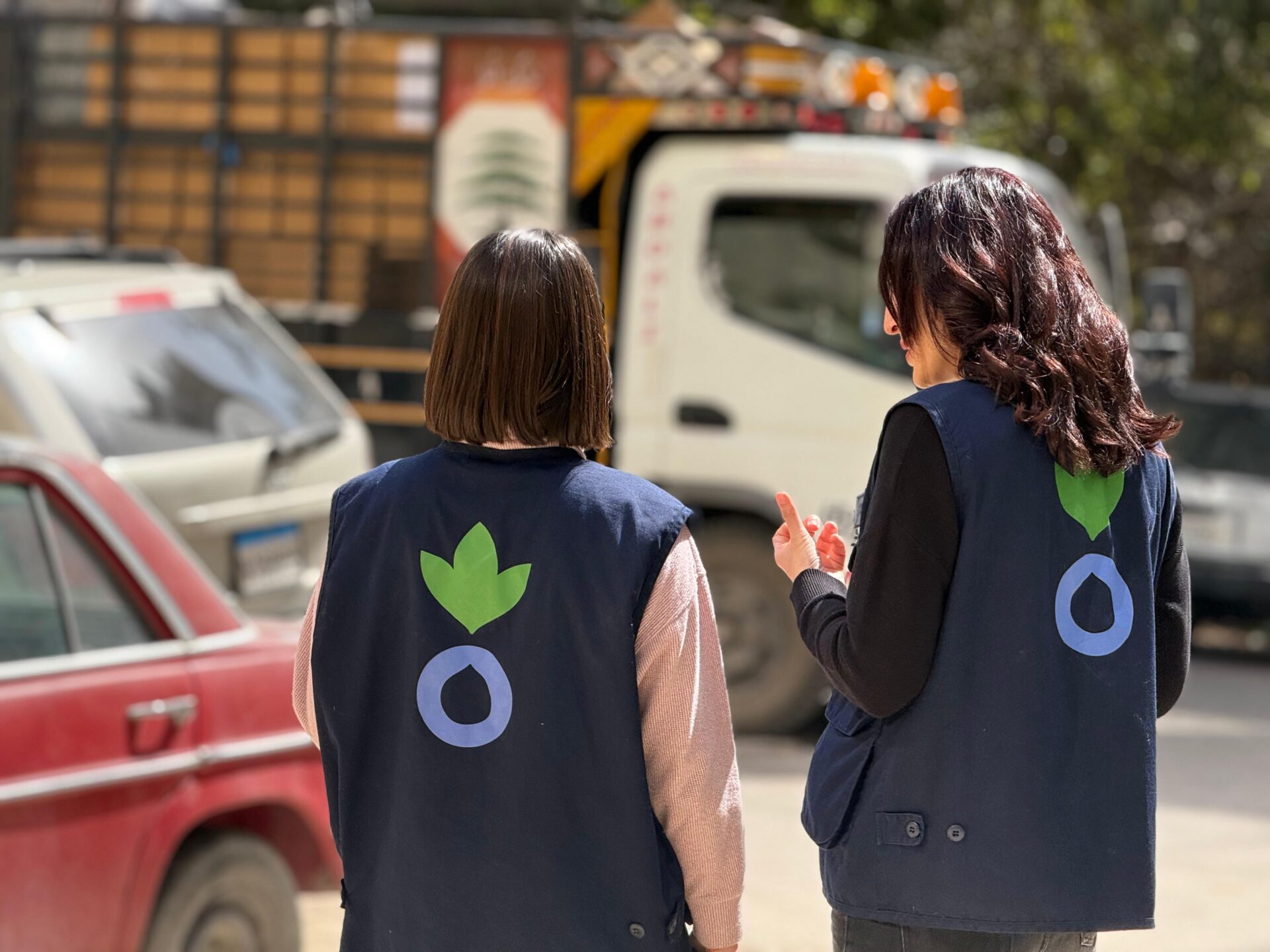
Our teams on the ground have adapted their response to this changing situation. Whilst support continues in collective shelters, the organisation has begun to extend its interventions to hard-to-reach areas and destroyed homes where aid was unthinkable just a few weeks ago.
“We are reaching places like Hasbaya to carry out distributions outside the shelters, delivering dry food and ready-to-eat rations in areas where markets have collapsed,” says Ben Salem. Action Against Hunger has resumed comprehensive nutritional support and infant feeding packages, now expanding its operations to other areas in the south, beyond the displacement zones.
Without guaranteed humanitarian access to all areas, including those affected by active conflict or suffering the most severe damage, and without a recovery of available resources, the number of people suffering from hunger in Lebanon will remain an open wound that no partial truce can heal on its own.