- More than 1.2 million people remain displaced, including 390,000 children
- In some areas, the destruction is massive, with entire villages without water, hospitals or livelihoods
- Serious nutritional risk: 15% of children aged 6 to 23 months in displacement zones are fed only milk, a situation posing a high risk to their health
- Action Against Hunger is maintaining and adapting its health, nutrition and essential services interventions to continue reaching the displaced population.
Following the announcement of a ceasefire in Lebanon, the humanitarian situation remains extremely fragile. Action Against Hunger warns that the cessation of hostilities has not brought immediate relief to the most vulnerable population, who continue to face displacement and a lack of access to basic services.
In the hours following the announcement, Action Against Hunger has observed intense population movement, with diverse mobility patterns.
Sonia Ben Salem, Action Against Hunger’s advocacy coordinator in Lebanon, said:
“Many people are returning to homes that have been destroyed or severely damaged. Others cannot return because they live in areas declared high-risk, where clashes are still taking place. The level of destruction in some areas is comparable to that in Gaza: entire villages razed to the ground, with no water, no hospitals, no means of livelihood.”
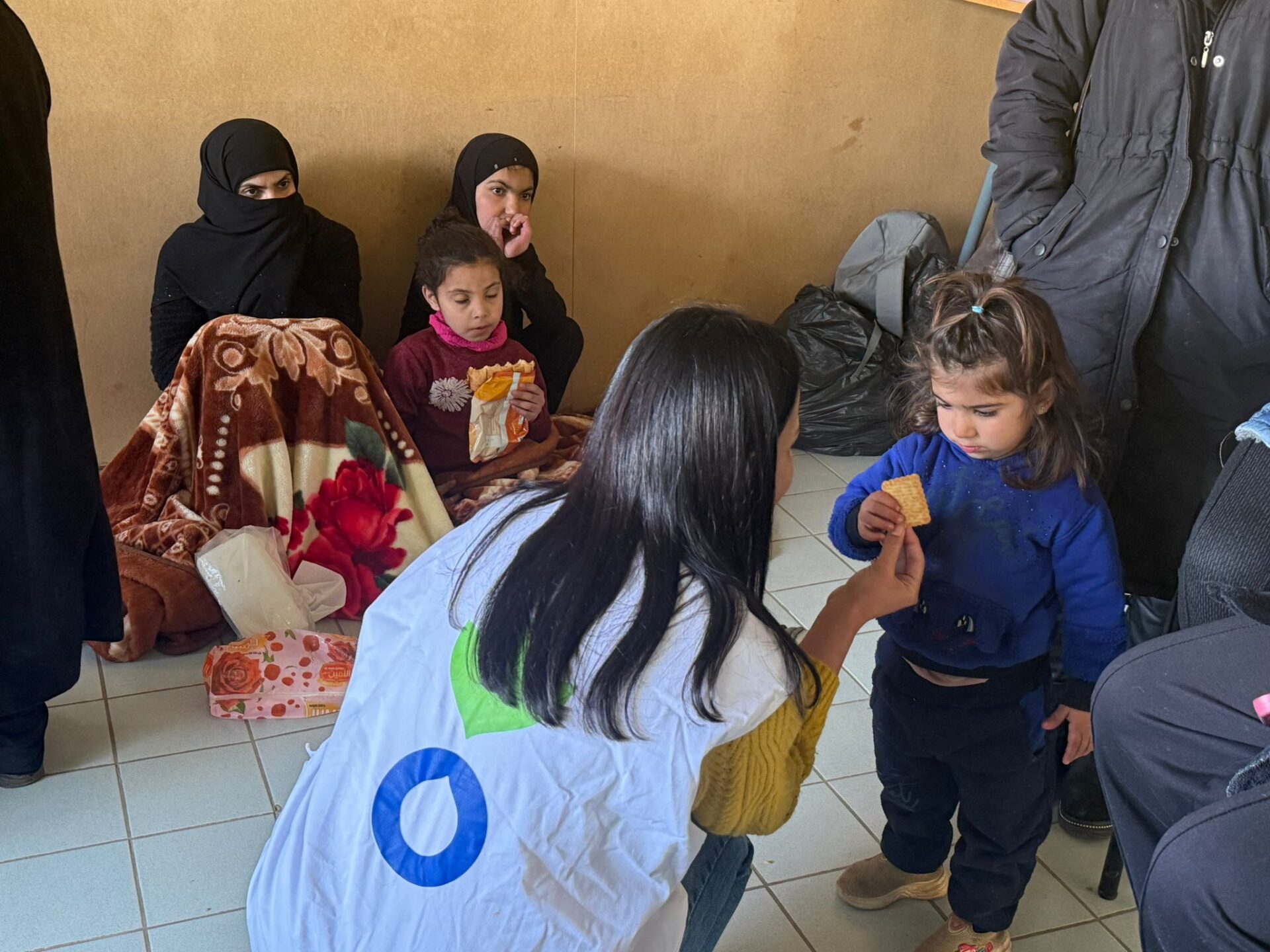
Currently, there are more than 1,200,000 displaced people, including 390,000 children.
Action Against Hunger was responding to needs before the ceasefire, so programme activities are continuing, but there will be a shift in geographical focus as population movements unfold.
The primary need of the displaced population remains a safe, dignified place to stay, along with access to water, healthcare, and other essential services. The ceasefire, on its own, does not reduce the population’s vulnerability or bring the emergency to an end. That is why Action Against Hunger’s teams continue to adapt their response to new needs.
“It is not so much a question of changing what we do, but where we do it. The needs existed before the ceasefire and remain the same now,” explains Sonia. “We are adjusting our presence to continue reaching the places where people are moving to.”
Currently, 112 members of the Action Against Hunger team are working in Lebanon. Health and nutrition activities, which are vital for saving lives, remain a priority. It has been found that around 15% of children aged 6 to 23 months in displacement zones are fed only milk. Furthermore, 24% of the population faces acute food insecurity, a figure that has not decreased following the announcement of the ceasefire.
“A ceasefire does not restore homes, guarantee food or re-establish basic services. Vulnerability does not disappear overnight, and needs will persist for a long time if there is no reconstruction and restoration of public services,” concludes Sonia Ben Salem.