As we mark 1,000 days since 7 October 2023, the humanitarian crisis remains critical. Far from improving, the situation has changed: the problem is no longer simply a lack of aid, but the inability for it to reach the people who need it. Israeli society is also still grappling with profound grief and trauma following 7 October 2023.
Currently, an average of 160 trucks enter Gaza daily, a figure far below what is required and the levels needed for an effective humanitarian response. The key figure now is not how many trucks enter, but how many are able to reach their destination, with only around half of this lifesaving aid being distributed within the Strip, the rest waiting at crossings.
The causes for aid not being distributed are multifaceted and varied: the lack of trucks let in; the lack of warehouses due to insecurity and operational constraints; massive damage to roads, creating significant logistical challenges; entry restrictions on essential materials – including water, energy and healthcare equipment; and continued targeting, despite the ceasefire.
Today, although families are managing to consume more calories, the quality of diets has not improved since the ceasefire. Diets consist almost exclusively of cereals, flour and processed foods, with a near-total absence of protein, vitamins and micronutrients.
Families consume fruit and protein-rich foods only once a week or less, with vegetables being consumed only twice a week, increasing medium- and long-term nutritional risks.
“When children do not receive adequate nutrition over long periods, the impact is irreversible: it affects their growth, their health and their future,” warns Cristina Izquierdo, nutrition coordinator for Action Against Hunger’s emergency team, following her visit to Gaza. “Even when families manage to eat, it is adequate. The poor quality of their diet reverses, in the medium and long term, the nutritional progress we had achieved.”
Compounding the shortage of nutritious food is the lack of livelihoods and markets. Price increases of between 40 per cent and 300 per cent mean that basic commodities are beyond the reach of most families. 63 per cent of households report difficulties in accessing markets; of these, 93 per cent cite a lack of cash, and 54 per cent cite unaffordable prices.
The crisis has virtually destroyed all local production capacity. Less than five per cent of arable land is accessible, while most of the produce entering the Strip is imported, forcing an almost total reliance on external aid.
“Farmers supported by Action Against Hunger had managed to reclaim their fields, tools and even greenhouses. But now, much of that land has become inaccessible due to violence and the expansion of militarised zones, reversing some of the progress made in agriculture,” explains Natalia Anguera, Head of Operations for the Middle East at Action Against Hunger.
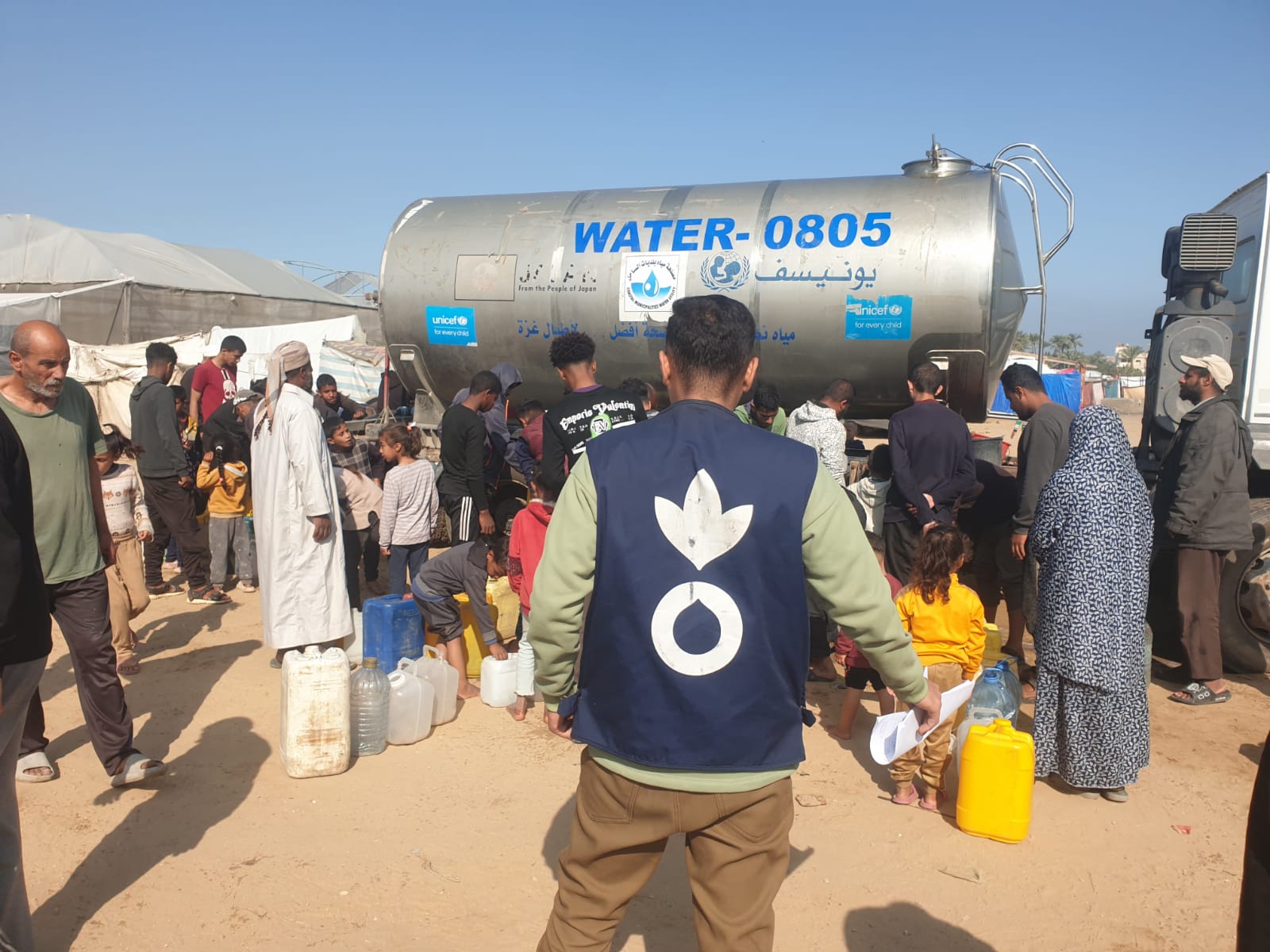
Access to water remains one of the main risks. The population has between six and 15 litres per person per day, which is below the minimum standard for survival. “Many areas have no drinking water. People drink whatever they can, even if it is unsafe,” says Anguera.
Restrictions on the entry of certain goods are an aggravating factor: “The lack of fuel, spare parts and generators is preventing desalination plants and water systems – key to providing the population with safe, clean and drinkable water – from operating. Furthermore, there is a shortage of chemicals to treat contaminated water, and many pipes have been destroyed. The collapse of sanitation services and the build-up of waste are causing pest infestations, including rodents, and a public health crisis,” adds Anguera.
Despite the restrictions and the highly volatile situation, Action Against Hunger continues to operate on the ground, constantly adapting its response across food distribution, nutritional care, safe water, sanitation and livelihood support.