Action Against Hunger warns of the rapidly deteriorating humanitarian and security situation in north-eastern Syria, particularly in the governorate of Al-Hasakeh, where armed clashes and bombings have been reported on the city’s outskirts in the last few days, with confirmed civilian casualties. Action Against Hunger, which has been present in Al-Hasakeh since 2008, where it implements WASH, food security, health, nutrition and livelihoods projects, has activated enhanced contingency measures in response.
The deterioration of the operating environment is having an immediate impact on families. Civilian movement is extremely limited, with areas subject to restrictions and closures. Markets and shops remain closed, making it difficult to access food, water and essential items.
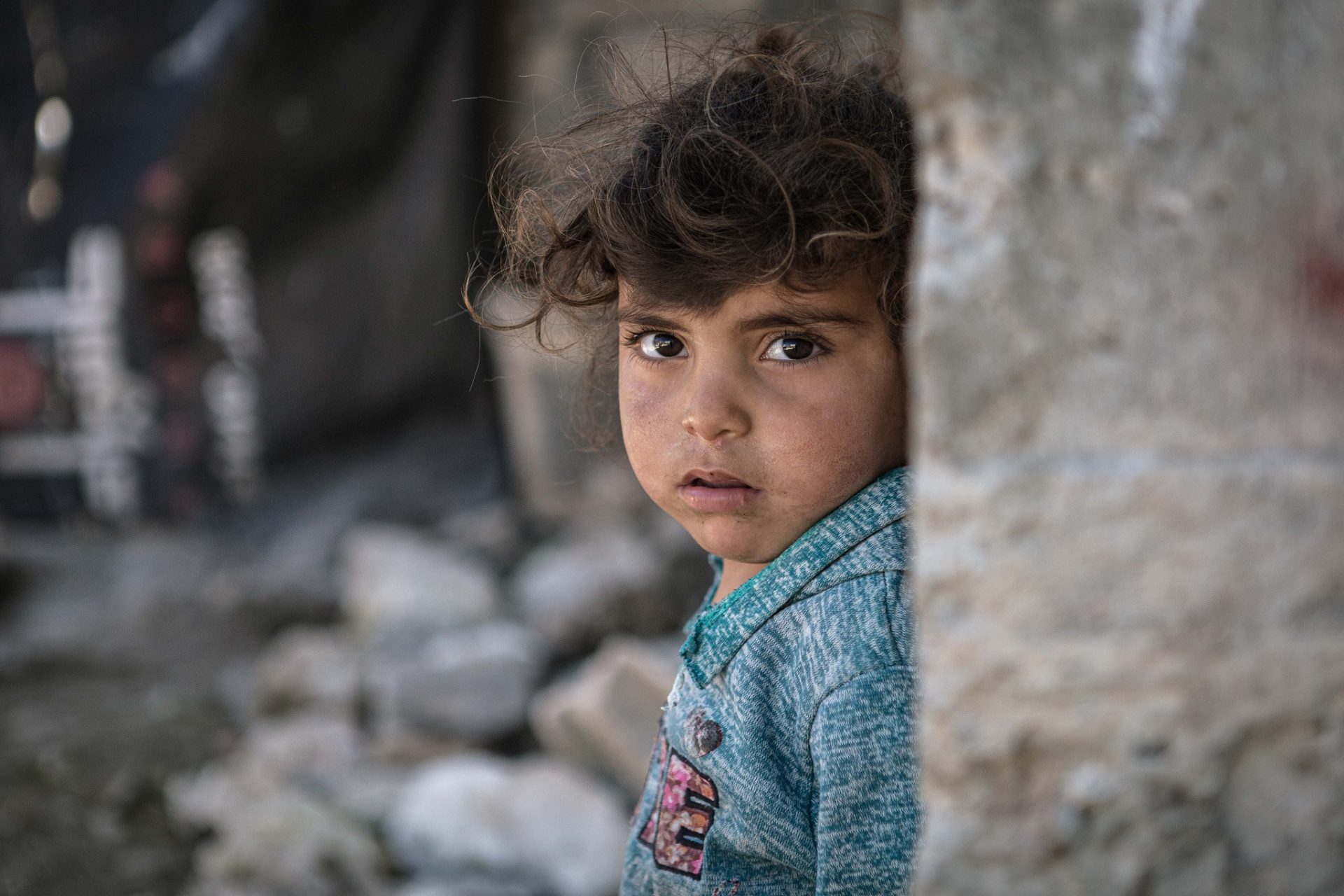
Uncertainty about a possible escalation is generating a deep sense of fear, especially among displaced families.
According to data collected by humanitarian partners, thousands of people have already fled from Ar-Raqqa, Tabqa and rural areas to Al-Hasakeh and Qamishli, with many experiencing severe winter conditions and housed in collective shelters, schools and public buildings. Reception capacity is overwhelmed, with urgent need for water, food, blankets, hygiene kits and non-food items.
Suzanne Takkenberg, regional director for Action Against Hunger in Syria and Lebanon, said:
“Families are arriving with only the clothes on their backs, in the middle of winter and with increasingly limited access to basic services. We are very concerned about people who are trapped by violence or who have had to flee without any guarantee of safety.”
Power cuts and insecurity have affected water pumping operations and treatment stations, compromising access to drinking water for more than a million people in various areas of the north-east of the country.
The pressure on health centres is also increasing. Hospitals such as Al-Hasakeh have received dozens of wounded people and are facing shortages of medical equipment, medical transport and essential supplies.
The organisation is already working on several intervention options, ready to be activated when security conditions allow:
- Emergency water distribution in collective shelters through local suppliers
- Ready-to-eat food for families unable to cook
- Essential non-food items such as blankets, winter clothing and hygiene kits
- Strengthening its capacities in water, sanitation and hygiene, health, nutrition and food security in coordination with other humanitarian actors.
“Our priority is twofold: to protect our staff and to be prepared to respond quickly and effectively as soon as the security situation allows,” explains Takkenberg.
Action Against Hunger stresses the need to:
- Protect the civilian population and essential infrastructure, especially markets, collective shelters, health centres and water systems
- Ensure safe, rapid and unhindered humanitarian access to assess needs and deliver vital aid
- Facilitate the arrival of flexible funds to adapt the response to a highly volatile context
- Strengthen humanitarian coordination and assistance to displaced persons, particularly during the winter.