Following recent armed incidents in various parts of Mali, which reflect a volatile and changing security situation, Action Against Hunger reaffirms its determination to continue its humanitarian response in the country. Action Against Hunger is making limited and proportionate adjustments to the presence of some of its staff and the pace of certain activities.
Paloma Martín, regional director for Action Against Hunger, said:
“The situation in Mali remains extremely complex for millions of people who were already living in very fragile conditions. At times like this, our priority is to safeguard our teams without losing sight of the communities, who continue to need urgent humanitarian support.
“Where conditions allow, Action Against Hunger continues to provide humanitarian assistance, constantly assessing the situation to adapt its response as the context evolves.”
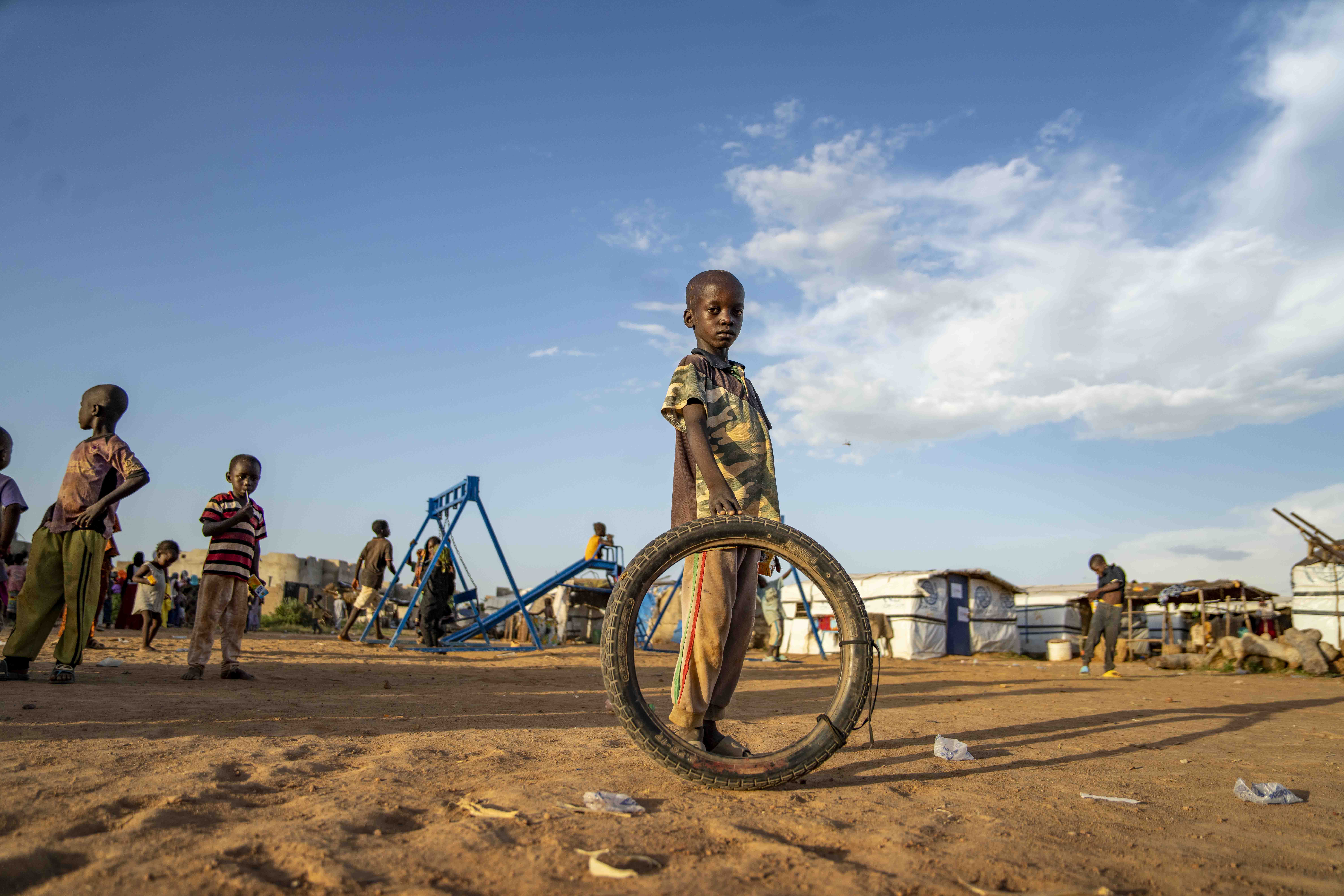
Mali, which was already facing worrying food insecurity, operational and access challenges before the current deterioration, is experiencing one of the most severe humanitarian crises in the Sahel. It is characterised by:
- Mass displacement: More than 402,000 people have been forced to flee their homes to escape the violence.
- Food insecurity: Almost 1.5 million people are suffering from levels of hunger classified as ‘crisis’ or worse.
- Vulnerable populations: The crisis is hitting children and pregnant or breastfeeding women particularly hard, causing severe malnutrition rates to soar.
Despite this context, Action Against Hunger maintains a sustained humanitarian commitment in Mali.
In the past year alone, the organisation assisted more than 1.5 million people, prioritising interventions in health and nutrition, water and sanitation, food security and livelihoods, including in hard-to-reach areas. The organisation is constantly monitoring developments to ensure the continuity of assistance to communities as far as possible, adapting its interventions to the current context.
“Every new outbreak of violence exacerbates the vulnerability of families who are already at breaking point. The humanitarian response cannot stop. It is essential to guarantee safe and sustained access to aid for those who need it most,” emphasises Paloma Martín.