This April marks three years of war in Sudan – and three years of the world looking away. As violence escalates and famine spreads, millions of people are being pushed to the brink.
The UK cannot treat this as someone else’s crisis. Our government has a role, our voices matter, and the cost of silence is measured in lives.
We need you to act with us. Here’s what you need to know.
1. Sudan is more than a crisis – it’s a country with deep history and culture
Sudan is home to one of the world’s oldest civilisations.
From the ancient pyramids of Meroë to the cultures that have flourished along the Nile for thousands of years, Sudan has a rich heritage shaped by trade, migration, art and resilience.
Today, Sudanese culture remains vibrant and diverse expressed through music, poetry, food and strong traditions of community and mutual support.
Any conversation about Sudan must start here. This is a country of history, identity and dignity – not just crisis.
2. Sudan is now facing the world’s largest hunger crisis
Three years into the conflict, Sudan is facing catastrophic levels of hunger and suffering.
Nearly two-thirds of the population – over 30 million people – now need humanitarian assistance and around 25 million people are struggling to access enough food.
This is not a small or isolated emergency. It is the largest humanitarian crisis in the world today and one that could have been prevented.
3. Women and girls are some of those worst at risk
Women and girls are bearing the brunt of the hunger and protection crisis – severe hunger has nearly doubled in a year.
75% of women-led households now facing extreme hunger, and women and girls often eating last and least.
Gender-based violence is on the increase – every survival activity carries risk, from fetching water to standing in a food line.
4. Famine in Sudan is already happening and spreading
Famine was declared in parts of Sudan in late 2024, and in 2025 and 2026 it has continued to spread into new areas.
This means people are not just at risk of being food insecure – they are already starving.
And yet, right now, emergency food assistance is reaching only around 1 in 5 people who need it – nowhere near enough to prevent famine or save lives at the scale required.
Without urgent action, famine will deepen and spread further across Sudan.
5. Sudanese children are bearing the brunt
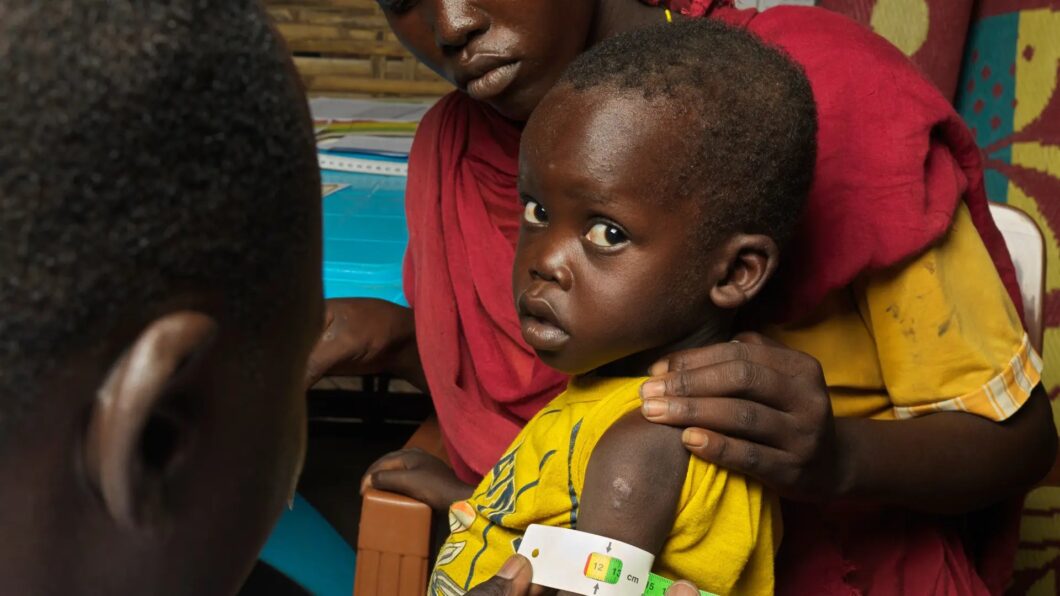
Children in Sudan are experiencing one of the worst malnutrition crises in the world.
Nearly 4.2 million children under five are expected to suffer acute malnutrition, including 800,000 facing severe acute malnutrition the deadliest form.
In some areas, nearly 1 in 3 children is malnourished. The consequences are devastating not just in the short term, but for a lifetime.
Over 17.3 million children urgently need humanitarian assistance – that’s more than the populations of London, Paris and Rome combined
This is not just a hunger crisis. It is a crisis shaping an entire generation’s future.
6. This crisis is driven by conflict – not just food shortages
Hunger in Sudan is not inevitable. It is being driven by conflict and choices that are denying people the ability to survive.
Farms and food systems have been destroyed. Markets have been disrupted. Livelihoods have collapsed.
And crucially, aid is being deliberately restricted or blocked from reaching those most in need.
This is what makes the crisis so stark: people are not just experiencing hunger – they are being pushed into it.
7. Food exists but people can’t access or afford it
Even where food is available, many families cannot afford it. Prices have surged while incomes have collapsed, locking people out of basic survival.
At the same time, conflict, flooding and damaged infrastructure are cutting off roads and supply chains. In many areas, humanitarian organisations simply cannot reach people.
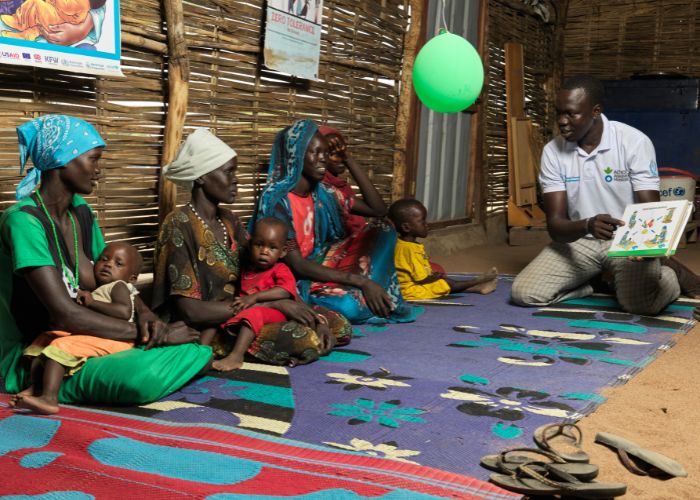
Action Against Hunger and its local partners have been responding. Food kitchens ran by local responders have been the lifeline that has fed millions of people on the ground.
But even they are being pushed to closing due to this crisis.
Without safe and sustained humanitarian access, aid cannot reach those who need it and famine will only deepen.
8. Sudan is not a forgotten place unless we allow it to be
Despite the scale of the crisis, Sudan remains one of the most underreported and underfunded emergencies in the world. This is not inevitable. It’s a choice.
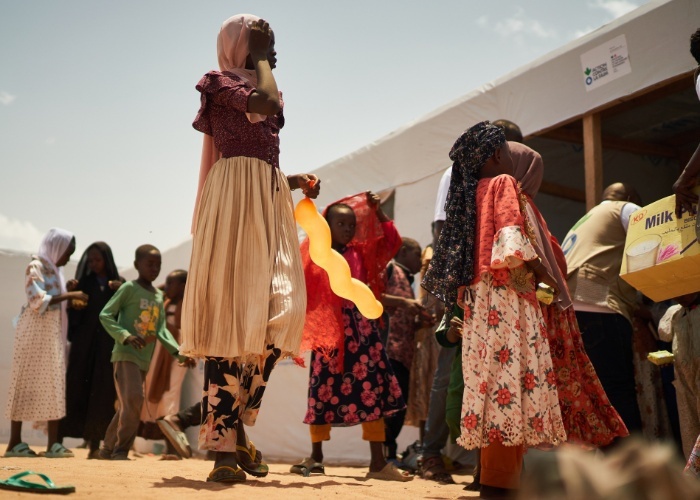
Sudanese communities continue to show extraordinary resilience supporting each other, sustaining local markets, and holding onto their culture and identity even in the face of immense hardship.
At the same time, the consequences of inaction are growing. Millions have been displaced, healthcare systems have collapsed, and civilians continue to face violence and insecurity.
What should happen next
The question is not whether Sudan matters – the question is whether we choose to act like it does. What happens next is up to us.
Three years into conflict, the lines have been crossed. Famine is here, and it is spreading. It is inexcusable that starvation is continuing because aid cannot reach people. This must change.
The UK has a critical role to play. As a key international actor and UN Security Council penholder, it must use its influence to:
- push for a ceasefire
- protect civilians
- secure humanitarian access
- increase life-saving funding at the scale this crisis demands.
Because this crisis is not beyond reach. With access, funding and political will, lives can be saved.
Sudan is more than this crisis. But right now, this crisis demands action.
Hunger will not end on its own. Hunger ends with us, if we choose to act.