Ebola is spreading rapidly in the Democratic Republic of the Congo (DRC). There have already been over 360 confirmed cases and 62 confirmed deaths, with numbers expected to rise further. The World Health Organisation has declared an international health emergency.

We have teams in DRC right now, ready to help communities as the deadly Ebola virus spreads. But we need funding to reach more families. And to help save lives.

Your donation will go to our Emergency Fund, helping our teams to respond as quickly and flexibly as possible as the crisis develops. Will you make an urgent gift today?

Donate to our Emergency Fund now

The situation in DRC

The situation is evolving fast and it’s difficult to confirm the scale of the emergency. The WHO declared an emergency following the confirmation of Ebola in Ituri province, the epicentre of the breakout. The situation is particularly worrying in the Mongbwalu area, where Action Against Hunger works.

No licensed vaccine or specific treatment currently exists for the new Bundibungyo strain, making supportive care the only option. The Ebola outbreak is also exacerbated by the  widespread food insecurity and high humanitarian needs across DRC. In Ituri province, 1 in 3 people live in a crisis situation and need humanitarian assistance.

Global aid cuts, including a drastic reduction in aid from the UK government, and decades of violent conflict means communities in DRC are even more vulnerable to the deadly outbreak. 

We can’t look away. Help save lives today by donating to our Emergency Fund

Page last updated: 5 June 2026

DRC's humanitarian crisis

  • 26.5m

    Approximately 26.5 million people are facing food insecurity, meaning they don't know where their next meal is coming from. That's almost a quarter of the population.

  • 37%

    Only 37% of the population have access to clean water.

  • 598,165

    In 2025, Action Against Hunger reached almost 600,000 people through our work.

How is Action Against Hunger helping?

We’re one of the only organisations working directly in the epicentre of the outbreak to support health authorities, where we’ve deployed 16 programme staff.

Health facilities in rural areas will be the frontline of the fight against Ebola. In the coming weeks, we plan to dispatch 150 community health workers across Mongbwalu, set up triage areas in 12 health centres and will start water trucking in 6 health centres upon funding.

We will also strengthen infection prevention and control, increase community awareness of Ebola and continue to provide our essential health and nutrition services.

“We are very concerned about the situation in a context where humanitarian needs are extremely high. In the province of Ituri, our teams on the ground have already purchased and distributed protective equipment to limit the risk of contamination in health centres.”

Julie Drouet, Country Director for Action Against Hunger in DRC

Donate to our Emergency Fund

Action Against Hunger’s Emergency Fund

The recent Ebola outbreak across the Democratic Republic of the Congo and Uganda is a stark reminder of how quickly humanitarian crises can escalate. The WHO has now declared an international health emergency, with concerns growing about the speed of the spread and limited treatment options currently available.

In emergencies like this, the first hours and days are critical. While public appeals and international funding mechanisms are still mobilising, Action Against Hunger’s Emergency Fund enables our teams to start responding immediately – deploying expert staff, supporting rapid assessments and reaching vulnerable communities before crises get worse.

Our Emergency Fund is designed to support:

  • rapid humanitarian response within hours
  • underfunded and forgotten emergencies
  • pre-emptive action before situations escalate

Donate to our Emergency Fund

Please note: Any funds raised over and above the needs of this crisis will be allocated to other areas of our emergency response work.

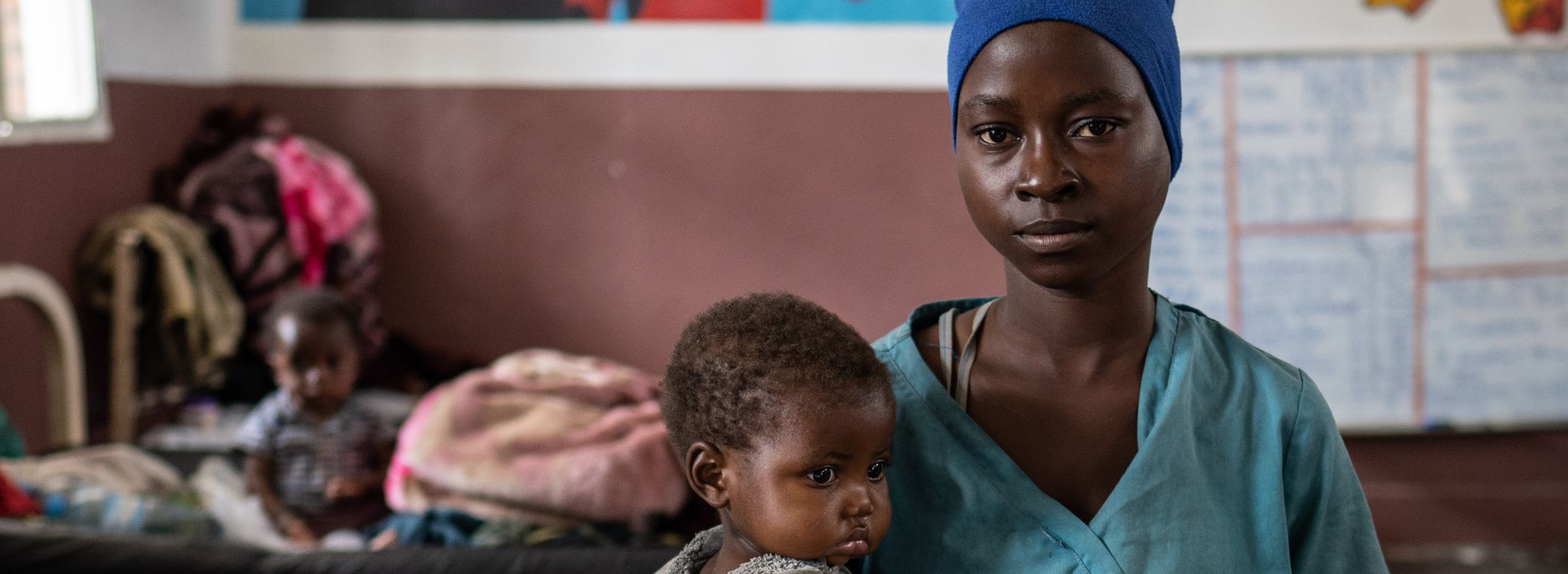
Photo credits: Action Against Hunger/ Moses Sawasawa