Climate crisis
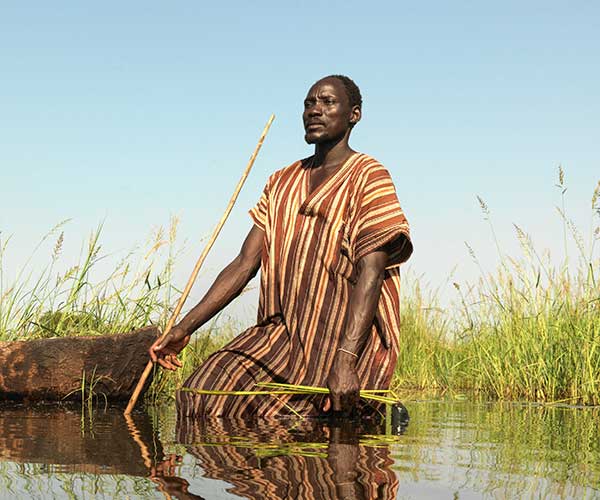
Rising temperatures and extreme weather are having a huge impact on already vulnerable communities.
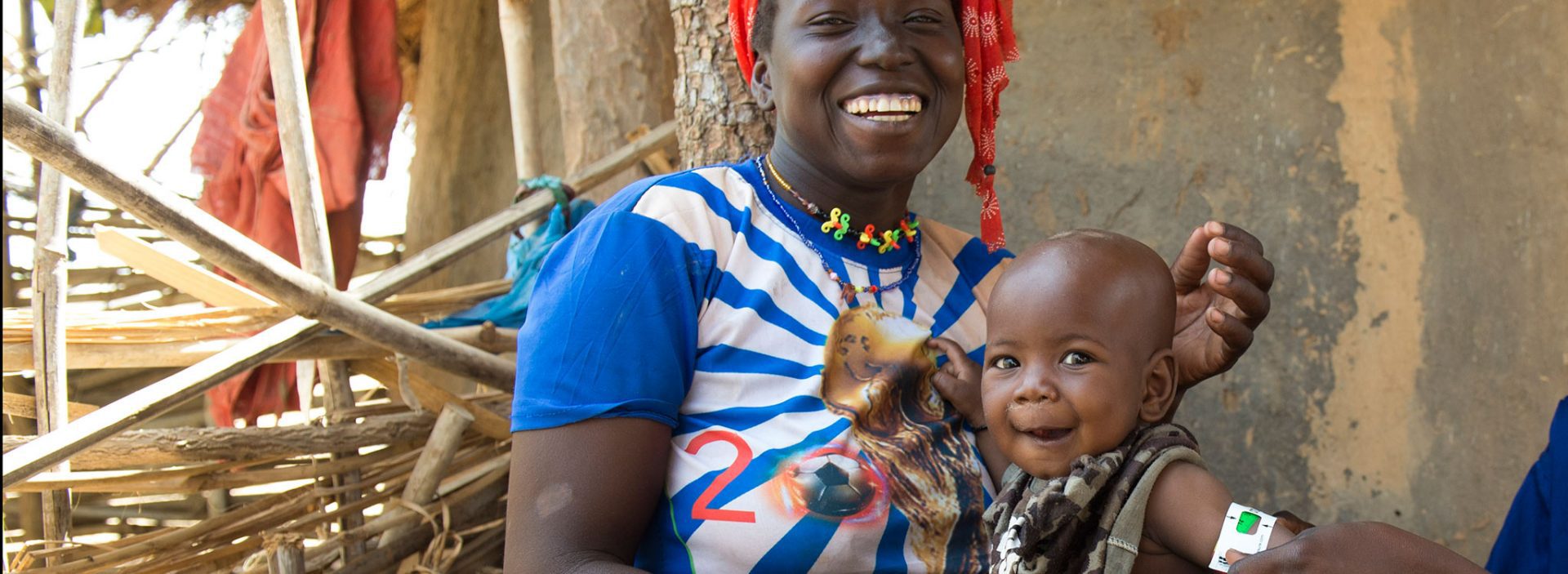
Hunger and malnutrition is still affecting millions of people around the world. Here's how we're predicting, preventing and treating it.
Malnutrition means not getting enough food or the right balance of food.
Around one in eleven people today are malnourished, in a world that produces enough food for all. It’s a big – and unnecessary – problem across the world.
Malnutrition takes many forms. And after declining for a decade, world hunger is on the rise again.
And while all of us need the right amount of good food, some people, at certain times, need more than others, so if that doesn’t happen, they’re likely to suffer more.
It’s in the first 1,000 days that a new human being should be building a strong immune system that ensures healthy physical and intellectual development.
How well or how poorly pregnant women and children are nourished and cared for during this time has a massive impact on a child’s ability to grow, learn and thrive.
Every year, almost 2.5 million children die from hunger-related causes. This typically happens in places where parents and local health workers lack the tools to diagnose malnutrition before it’s too late.
Malnutrition is an underlying cause of 45% of deaths of children under five around the world. That’s one child every 13 seconds. Malnutrition and hunger weaken a child’s immune system and make them more vulnerable to illnesses like pneumonia.
There are many reasons why a child might become malnourished. We know that conflict, climate change, poor access to healthcare and inequality are all underlying drivers of malnutrition.
is driving a rise in extreme weather around the world, leading to more frequent droughts and floods. These can lead to crop failures and a loss of income for families, which means they struggle to feed their children.
also affect millions of people around the world. They can lead to the sudden large-scale displacement of people who often end up living in makeshift camps and struggle to make an income.
Poverty and inequality are also leading drivers of hunger and malnutrition. More and more countries have both high levels of hunger in some regions and high levels of obesity elsewhere.
The increasingly unequal distribution of wealth means that many people are missing out on nutritious food and going hungry, even while living in countries experiencing strong economic development.
Often those living in poverty skip meals or consume cheaper and nutrition-poor foods, putting their health at risk.
Gender inequalities also play a role in driving malnutrition, as women and girls often eat last and least in a household. A third of all women of reproductive age worldwide suffer from anaemia, caused by iron deficiency. Teenage mothers and their babies can also be particularly vulnerable to malnutrition.
We’re dedicated to providing children with the nutrition they need to fulfil their potential and make a lasting change in their community. We do this by detecting, treating and preventing malnutrition in children so they can regain their health and build a better future.
We also tackle the root causes of hunger, such as poverty and inequality, and help improve families’ access to good nutrition. Finally, we provide families with access to safe water, sanitation and hygiene services.
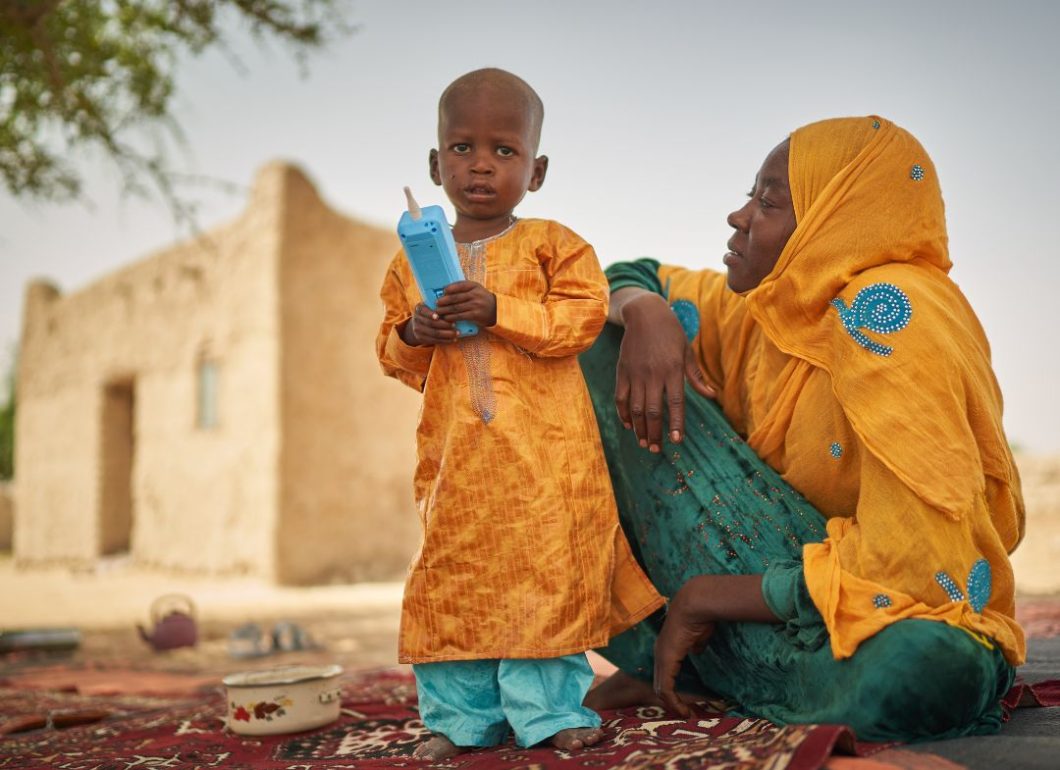
Two-year-old Moustapha was fighting for survival. Life-threatening hunger left him weak. When he got ill, his mother took him to a hospital Action Against Hunger supports in Chad. There, he received the urgent medical care he needed to survive. And now he's thriving.
Malnutrition can take many forms and there are no countries in the world that aren’t affected by it in one way or another.
Wasting or acute malnutrition: This can happen over a few weeks, mostly affecting young children who don’t eat enough calories or have been sick. Children who are ‘wasted’ are too thin for their height and more vulnerable to disease.
Stunting or chronic malnutrition either develops over a long time or after several cases of acute malnutrition. Children who are ‘stunted’ are too short for their age and may be more prone to illness.
This happens when a diet is not nutritious enough and lacks vitamins and minerals which can cause life-threatening conditions, such as weak immune systems and low birth weight of babies. For example, globally, 30% of women aged 15-49 and 40 per cent of children under five have anaemia.
This is a result of consuming too many calories which are converted to fat. It is affecting an increasing number of children all over the world, causing a raft of medical conditions including Type 2 diabetes and hypertension.
Tackling malnutrition and life-threatening hunger has wide-reaching, positive consequences for improving the health of children and adults alike.
Every 13 seconds, a child dies from hunger or a hunger-related disease.
Almost 2.5 million children under five die from hunger each year.
Globally, one in eleven people go to bed hungry every night.
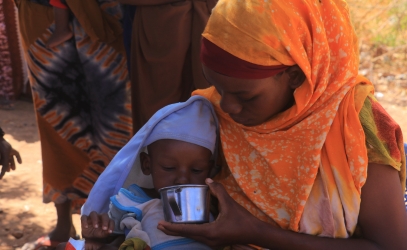
Paying your Zakat with Action Against Hunger can help provide life-saving treatment for children facing malnutrition in Somalia.
Your gift will support 100% eligible, scholar-approved projects, helping vulnerable families access urgent nutrition care when they need it the most.
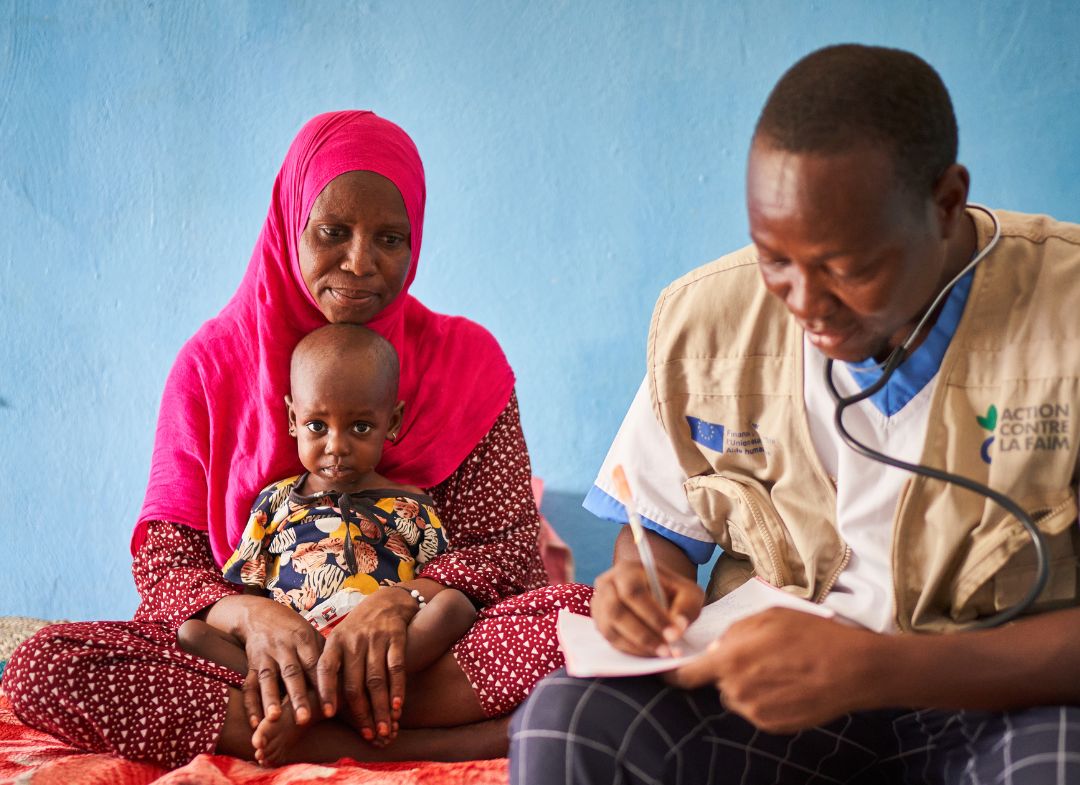
Ending malnutrition is possible. And it’s one of the best ways we have to change people’s lives for the better.
A well-nourished, healthy, thriving person is good for their family, their community and their whole economy. They’re generally happier, healthier, safer and more stable than an under-nourished person. That’s why Action Against Hunger focuses hard on diagnosis and treatment, as well as on prevention.
This is how we do it.
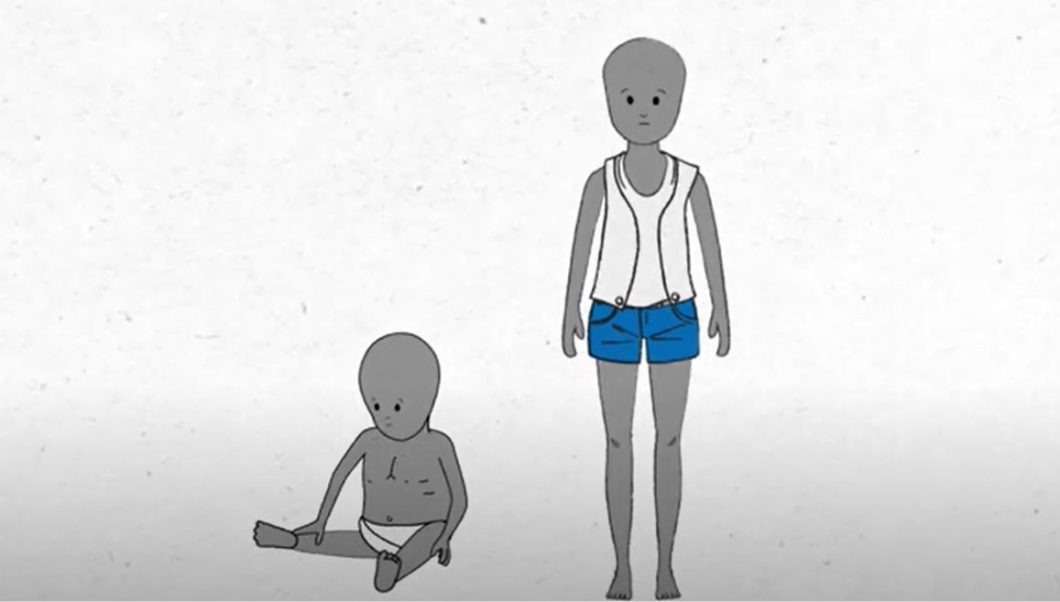
Learn about how our medical teams treat acute malnutrition through CMAM (community-based management of acute malnutrition).
First, we have to diagnose undernutrition. We use ‘mid upper arm circumference’ (MUAC) bands to diagnose malnutrition among those under five. A MUAC band is a tape that measures the circumference of a child’s upper arm, which indicates that the child is malnourished or healthy.
We train parents and caregivers to use MUAC bands so they can spot the signs of malnutrition early. And if picked up quickly, we reduce the incidence of childhood death and disease.
We have also developed a photo app to diagnose malnutrition more quickly and easily. This can be used by community-based health workers.
If a child is diagnosed with severe or acute malnutrition, we provide treatment in the form of a special peanut-based paste called ready-to-use therapeutic food (RUTF).
Children can mostly be treated at home in their community, although severe cases may require hospitalisation.
Still less than 30% of severely acutely malnourished children are able to access the treatment they need.
As a leading technical organisation in the prevention and treatment of malnutrition, we play a key role in piloting new approaches. This helps ensure all children affected by malnutrition can receive the care they need.
Prevention, though, remains the best cure.
Our expertise in preventing and treating undernutrition is internationally renowned, thanks to our 40 years of operational experience in areas of the world where hunger is most severe and entrenched.
We work with mothers and caretakers to improve care, feeding and hygiene practices to ensure that children receive the right food. Our health workers provide children with treatment for infections, illnesses, and micronutrient deficiencies to ensure their healthy development.
Rising temperatures and extreme weather are having a huge impact on already vulnerable communities.
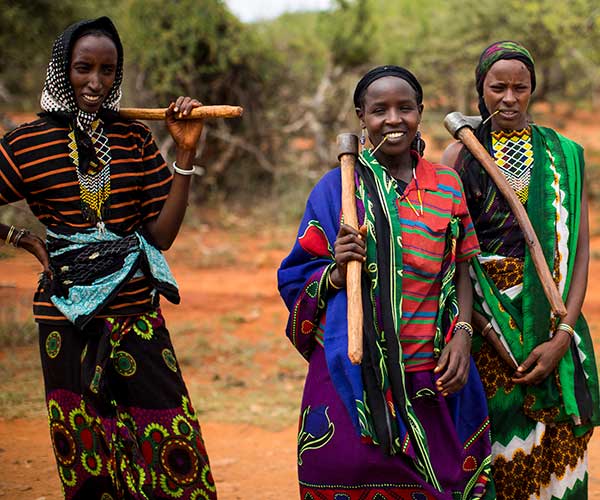
Hunger affects everyone differently. But around the world, women and girls are most at risk of becoming malnourished.
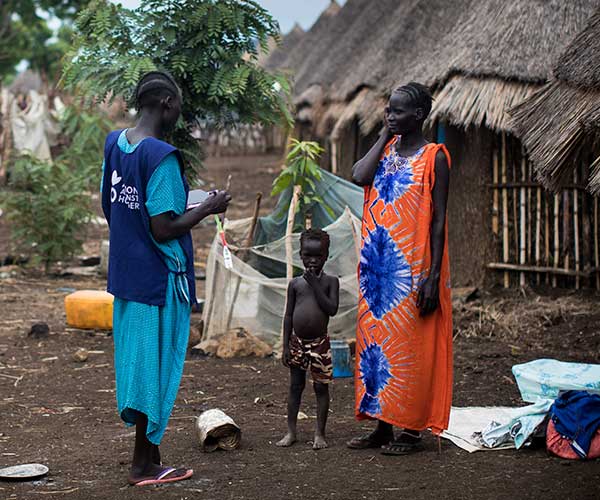
The biggest driver of child hunger around the world today is armed violence. Read how we're helping people affected by hunger.
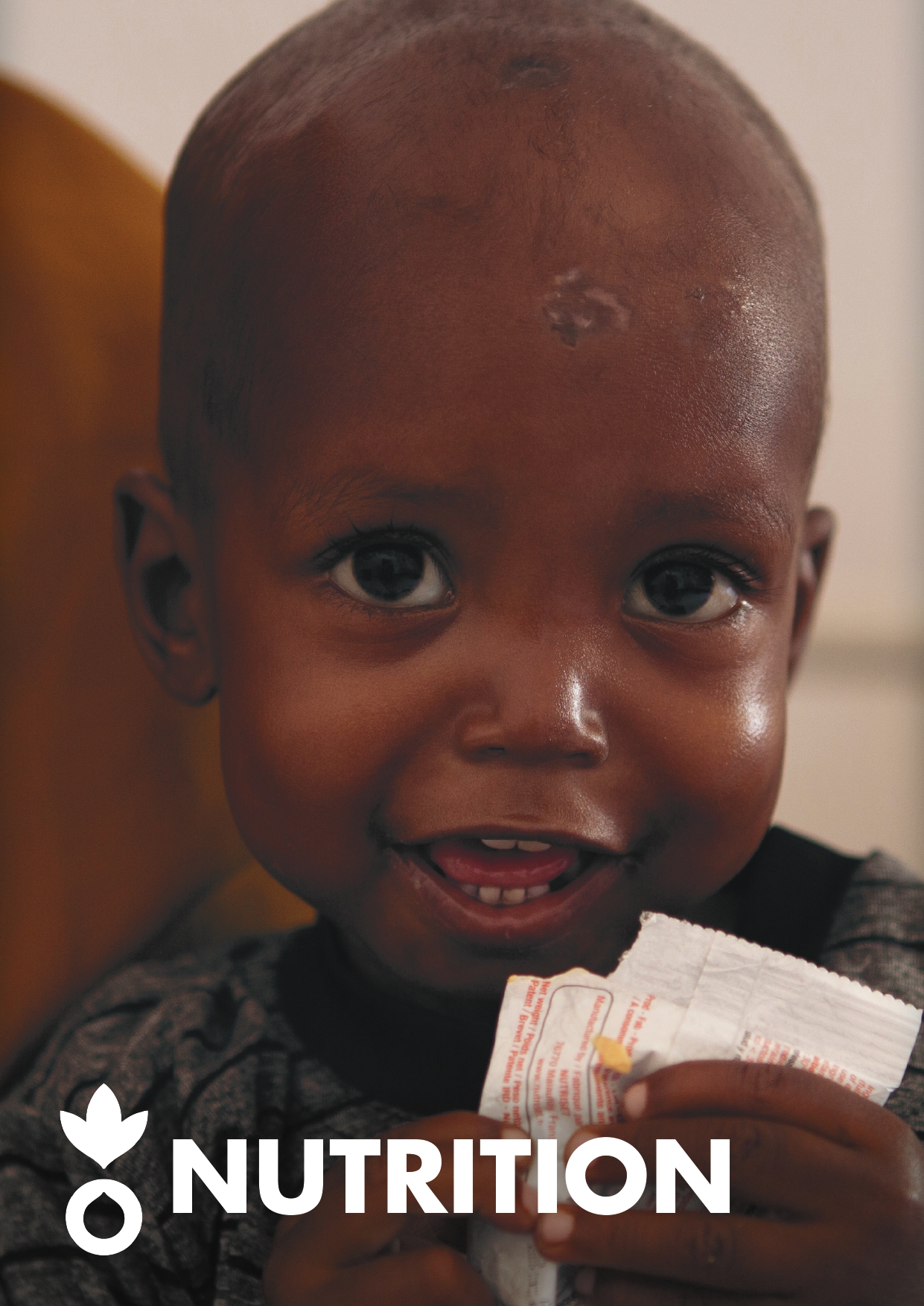
Every day, more than 2,000 children die from hunger-related causes. This proposition paper outlines the devastating effects of malnutrition and what Action Against Hunger is doing to combat it.
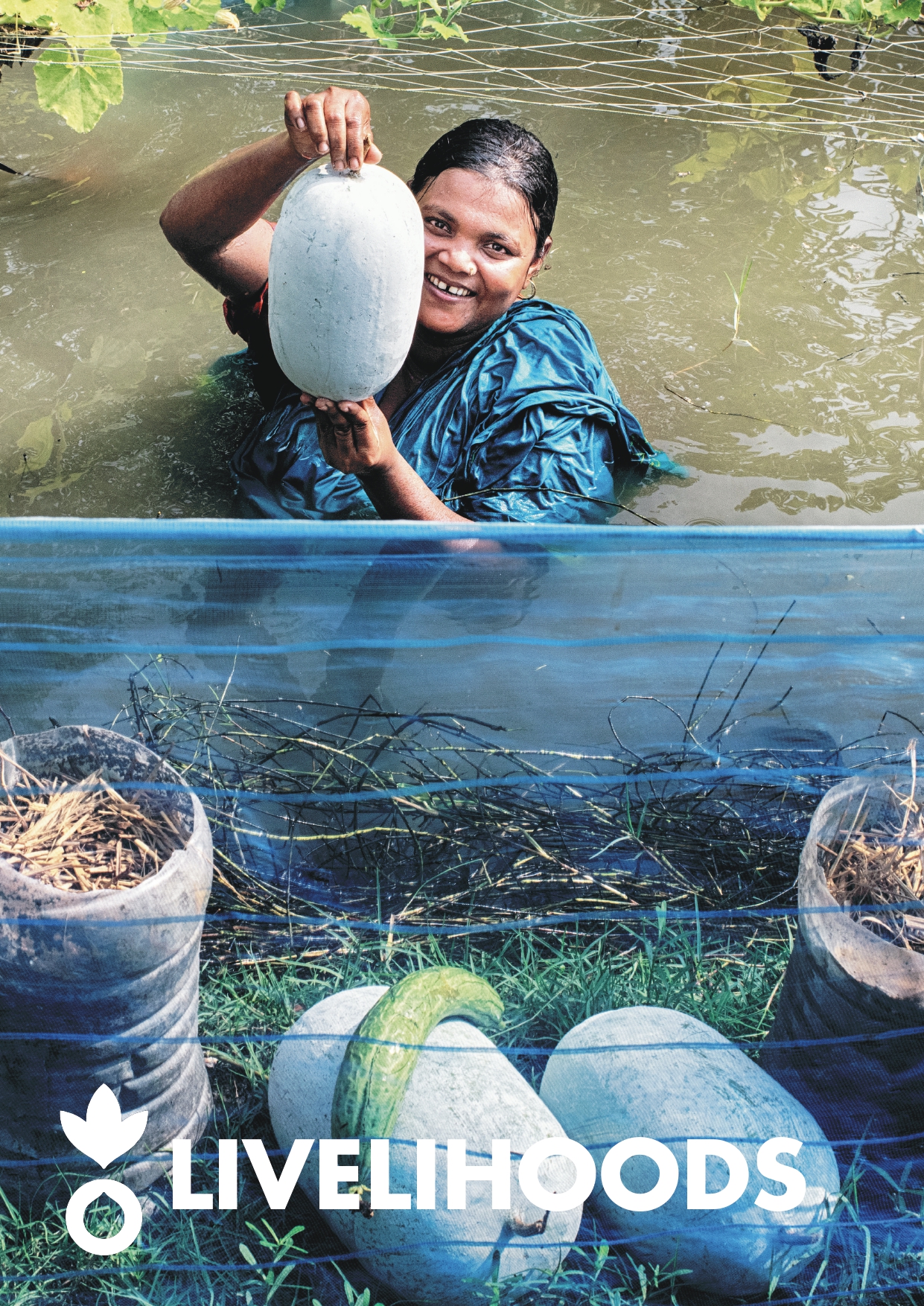
Even though the world produces enough food to feed the entire population, four out of ten people across the globe can’t afford a healthy diet. This proposition paper outlines the impact of food insecurity on more than 2 billion people worldwide and what Action Against Hunger is doing to combat it.